Contacts
IT EN
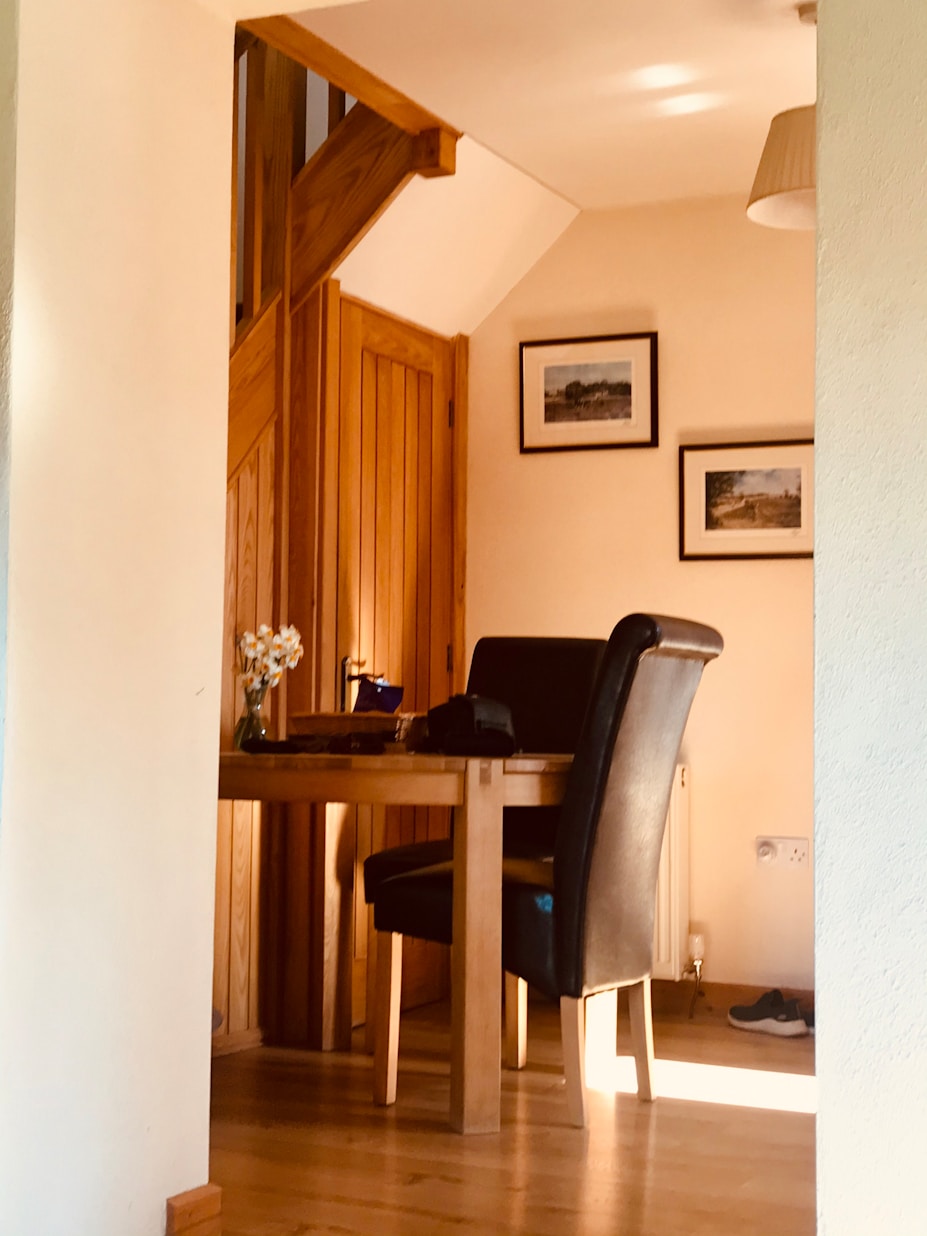
Construction detail of the Bianchetti House showing the integration of technology and design

Conceived as an organism

A modern house must be conceived as a complex organism in which every element — from the shell to the systems — works in synergy to guarantee efficiency, health, and comfort.

Well-being translates into healthy environments, with the right temperature, selected materials, advanced systems, and high-performance insulation.

Dettaglio di isolamento termico e tecnologia costruttiva Bianchetti

Home automation integrated into the electrical system

To simplify your daily living

The technology of the Bianchetti House aims to improve the lives of the people who inhabit it: simplifying the management of many small domestic needs is one of the ways this is possible. Starting the heating before returning home, checking if you left a light on (and turning it off) when you’re already out, raising the shutters directly from bed, starting the washing machine when you need it, or - something more fun like - the music in the living room… all small actions that thanks to the home automation ecosystem you can do without stress.
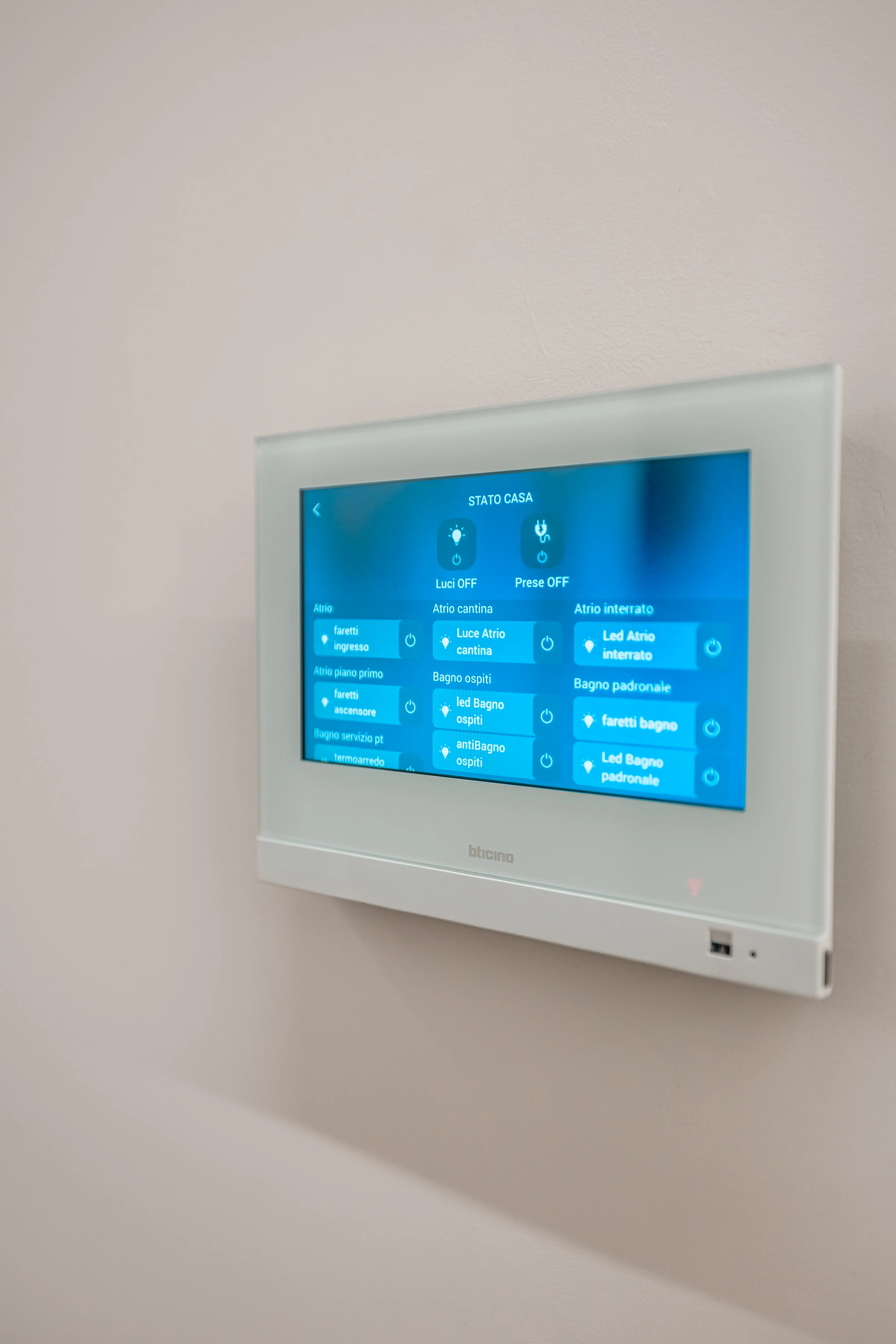
connected video intercom
Home automation-electrical system

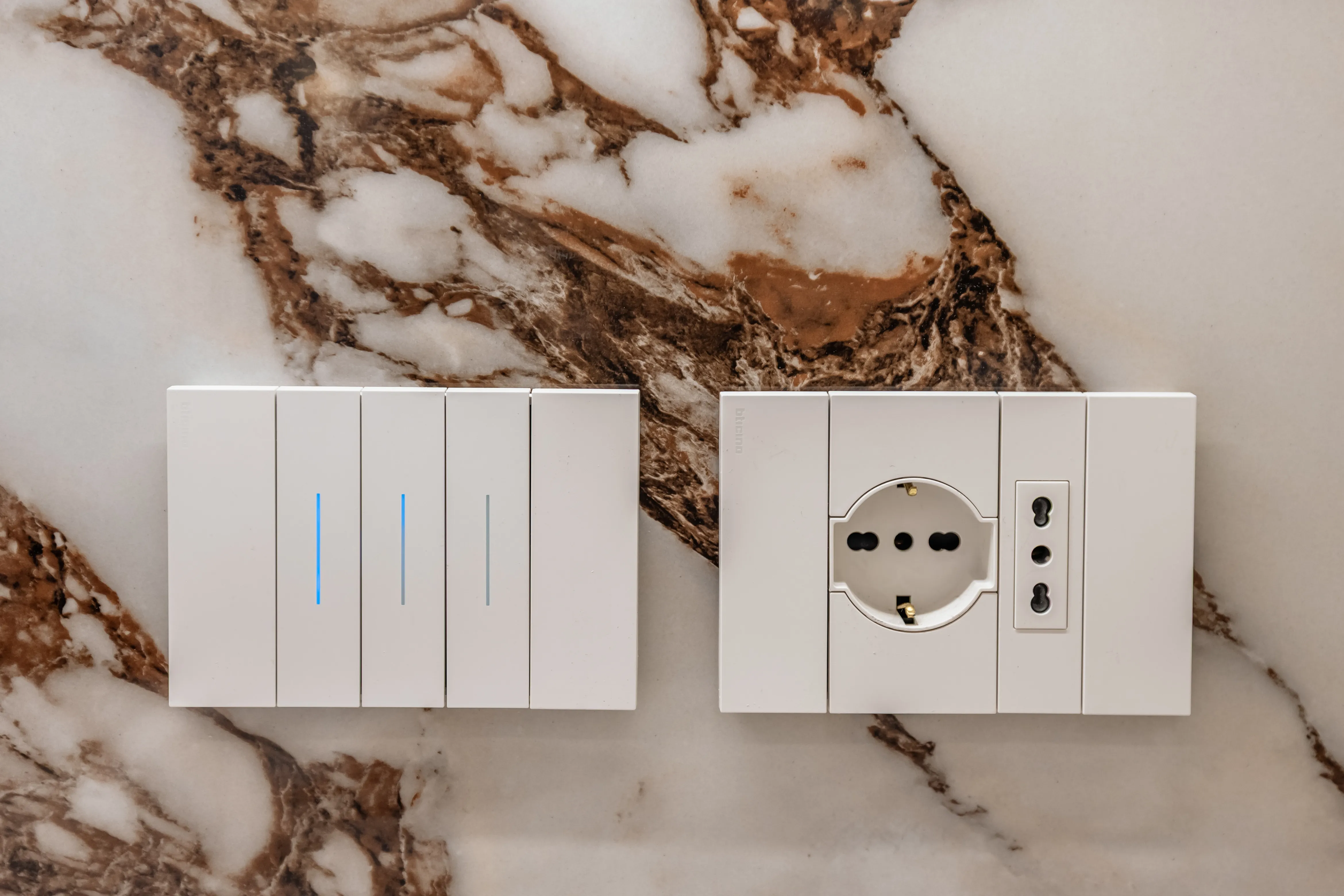
The home automation-electrical system creates an ecosystem that allows for centralized management of lights, shutters, climate control, and loads. Automations can be controlled remotely via a smartphone app, and inside the home, there is always a touch screen interface, which can also be used as a connected video intercom; it is also possible to install wall controls and Google and Alexa voice assistants.

High thermal insulation of the envelope

To give you the ideal temperature in every season

The first aspect to pay attention to inside a house is the envelope, that is, the external shell of the property, composed of vertical walls (walls) and horizontal ones (roof, ceilings, and floors).

The thermal insulation of these surfaces, also called insulation, acts on the entire system since it significantly reduces the capacity for heat and cold dispersion between the internal and external environment. This results in significant energy savings for cooling and heating, as well as a feeling of greater living comfort. The envelope of the Bianchetti House is designed to minimize thermal bridges as much as possible, critical points of the building (often in corners) where heat exchange occurs differently than other surfaces and consequently increases the risk of mold.

External thermal insulation for facades
External Thermal Insulation (ETICS)

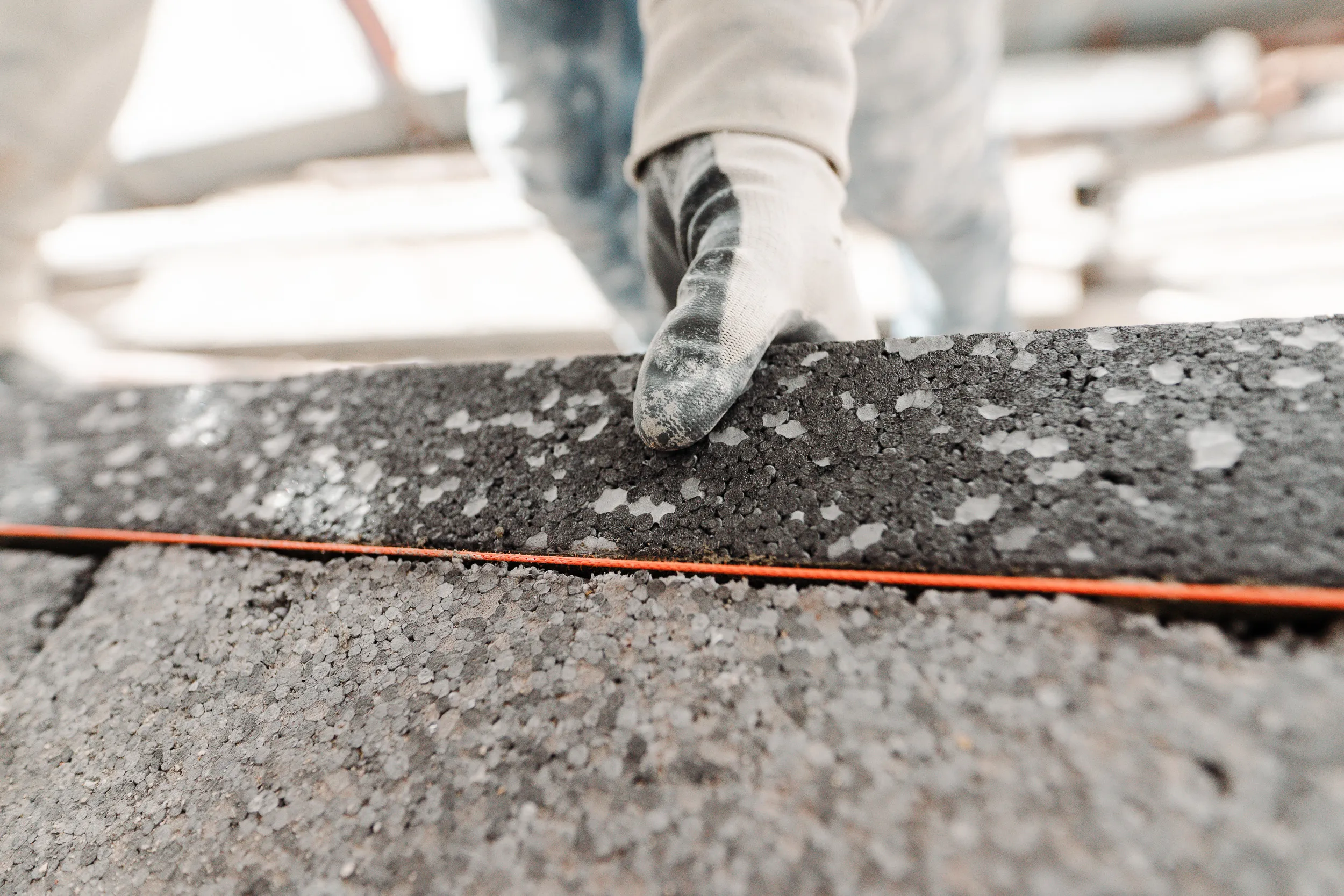
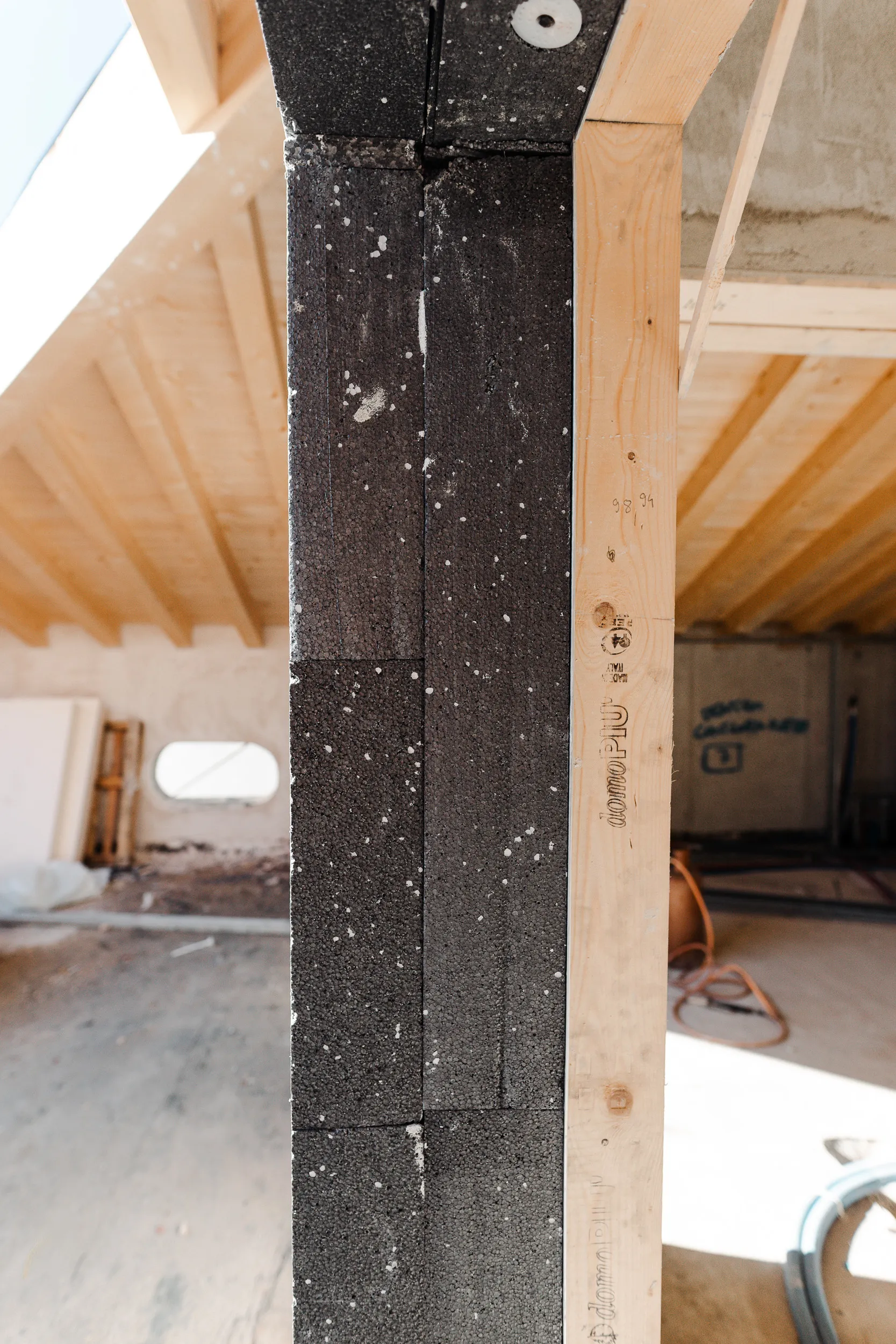
With the thermal insulation, the walls of the house are covered with a layer of insulating material. Specifically, we apply panels in EPS with added graphite, a mineral capable of reflecting and absorbing thermal radiation, offering performance up to 20% higher than normal EPS. A better insulating capacity and greater energy efficiency are accompanied by the possibility of using thinner panels with greater mechanical resistance (and therefore durability) of the material.

Bianchetti modular panels
Engineering Solutions

For new constructions, we use innovative engineering solutions to create the structure, which is born pre-disposed to be high-performing. These modular panels are chosen based on the specific project, the materials usable are diverse, from natural fibers (e.g. wood and straw) to EPS associated with cement mixtures. Our proposals will always be those most in line with the House you want to build.

roof renovation
Re-done Roof

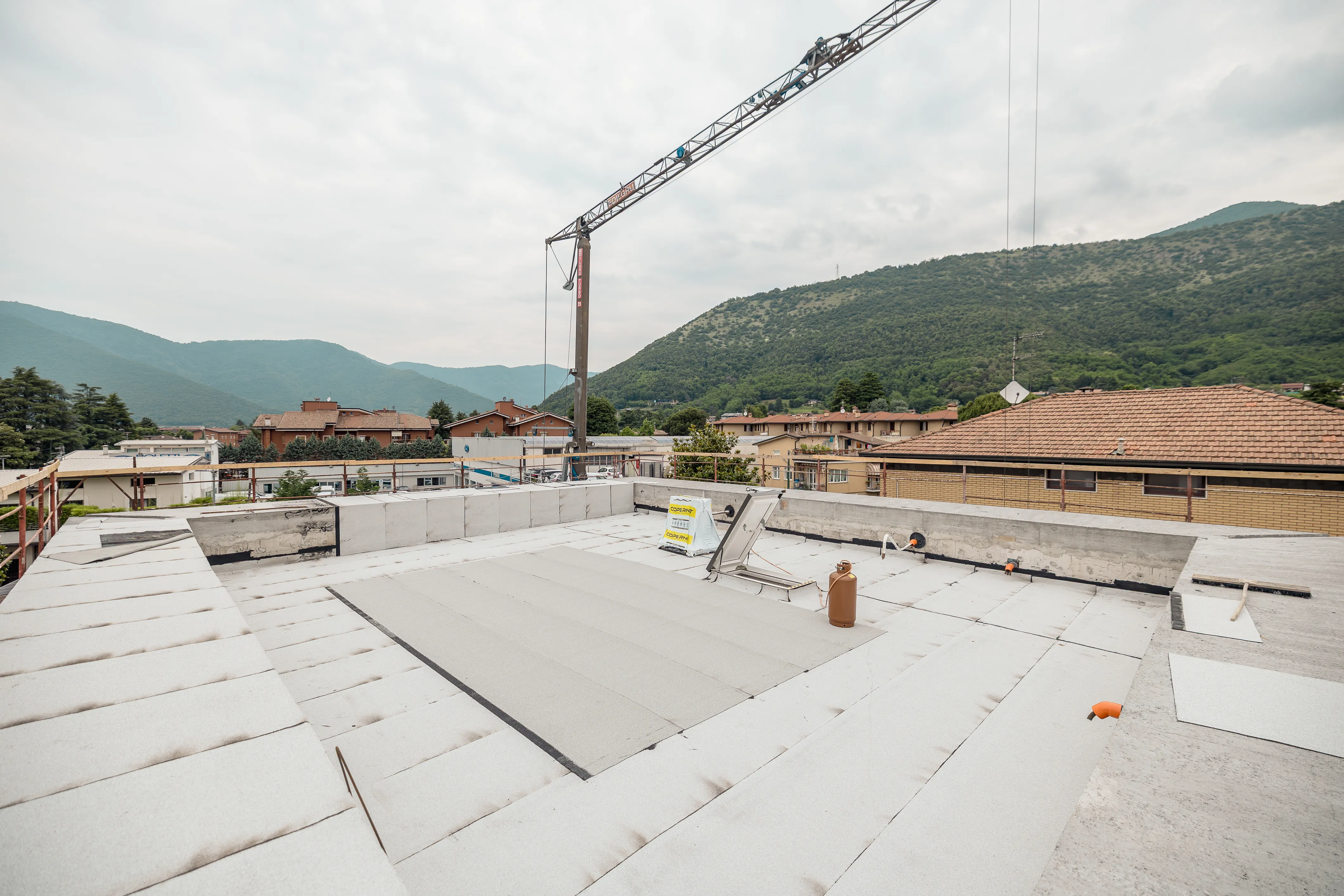
The roof is another dispersing surface, which can be insulated according to two main methodologies. If the attic is habitable (e.g. mansard apartment), we act on the refurbishment of the roof itself, through a stratification of materials that act to have a solid ventilated and water-repellent composition.

Bianchetti blowing insulation
Attic Insulation

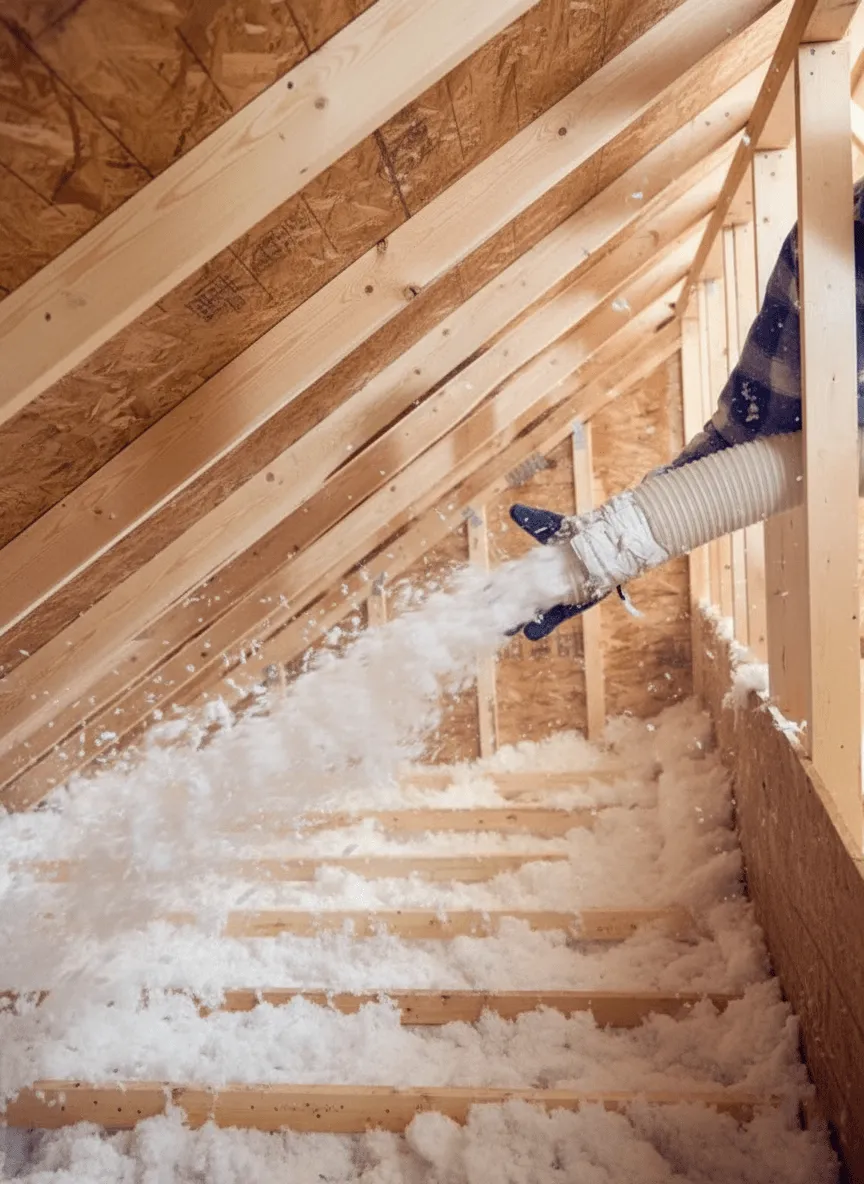
If the attic is not accessible, then the unused space can be filled with insulating material. We apply a technique called blowing insulation, carried out by blowing glass wool flakes over the entire surface of the unheated floor. Unlike solutions with panels or rolls, glass wool allows for total uniformity of insulation, even where irregular shapes and reduced heights are present. Other characteristics that make this material a valuable construction choice are its resistance to moisture and fire (Euroclass A1). In addition to being hydrophobic and non-combustible, glass wool is ecological, as up to 90% comes from recycled glass. Finally, it enjoys dimensional stability - after laying, its volume settles and remains unchanged over time, guaranteeing the durability of performance.

Bianchetti insulating panels
Floor Insulation towards Cold Zones

To maximize the energy performance of the home, insulating the exterior is not enough. For this reason, we also consider the internal horizontal surfaces that can lead to dispersion, for example between the ground floor and basement. Insulating them prevents the cold from garages, taverns, or other underground rooms from compromising the heat of the inhabited environment. The insulating panels used for the Bianchetti House are in rock wool or Stiferite.

Bianchetti monoblock
Windows and Patio Doors

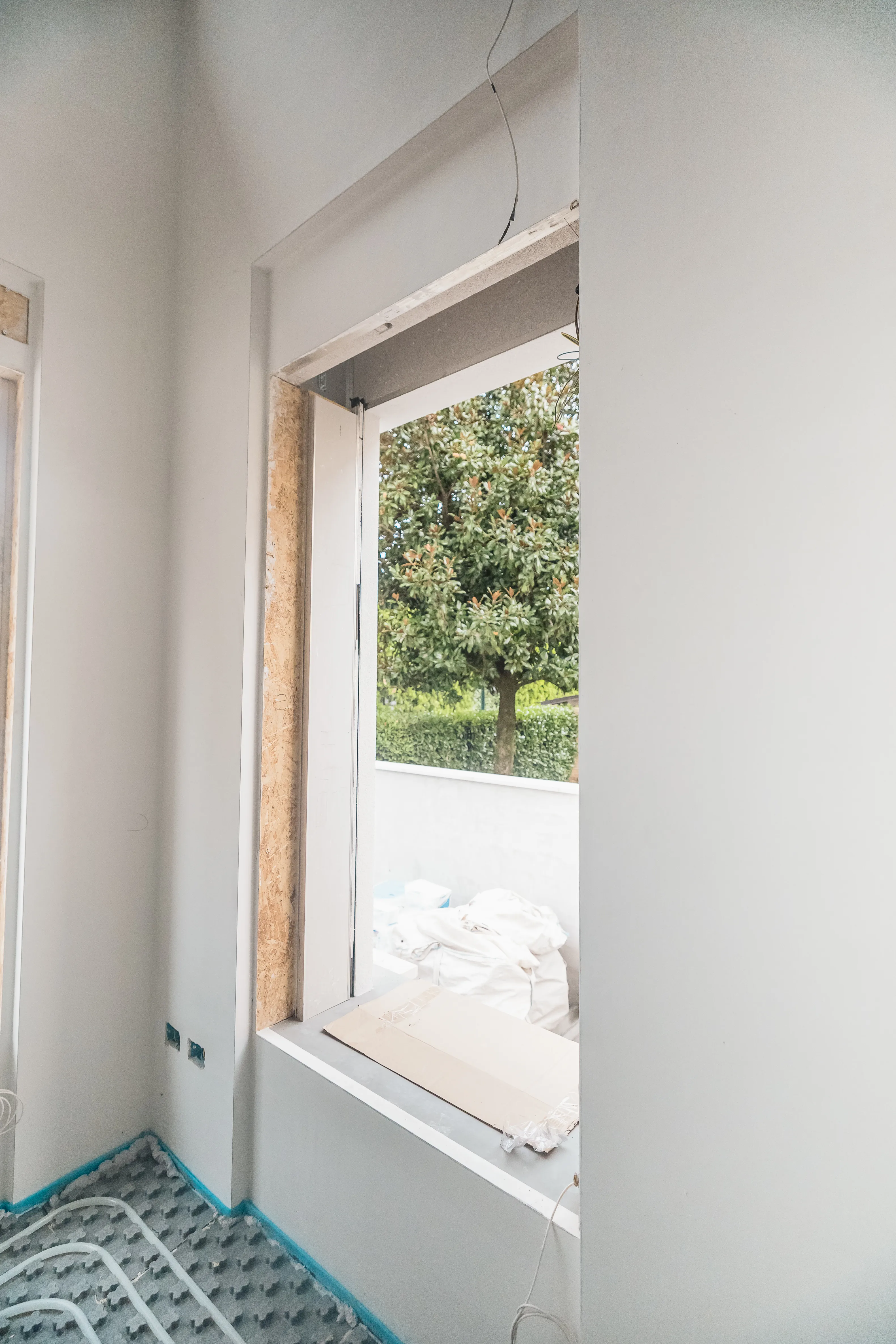
The space where windows and patio doors are placed is one of those critical points where thermal bridges can form. That is why in the Bianchetti House we install the monoblock, a prefabricated modular structure designed for the housing of windows and shutters. It is placed in the window opening and fixed directly to the masonry, thus guaranteeing the correct insulation of the building. Our insulated monoblocks include the roller shutter box and shutter guide.

Bianchetti windows
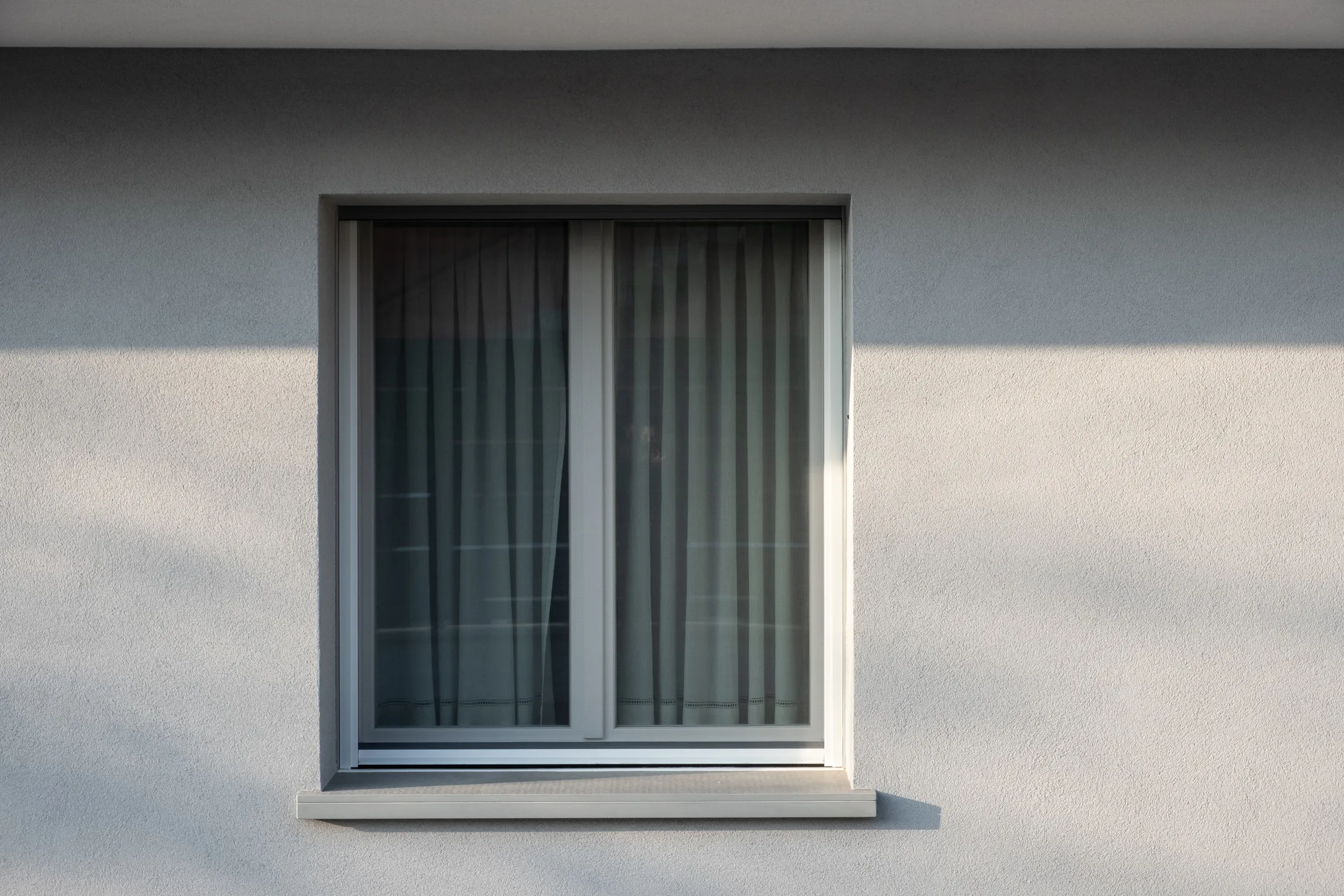
Windows

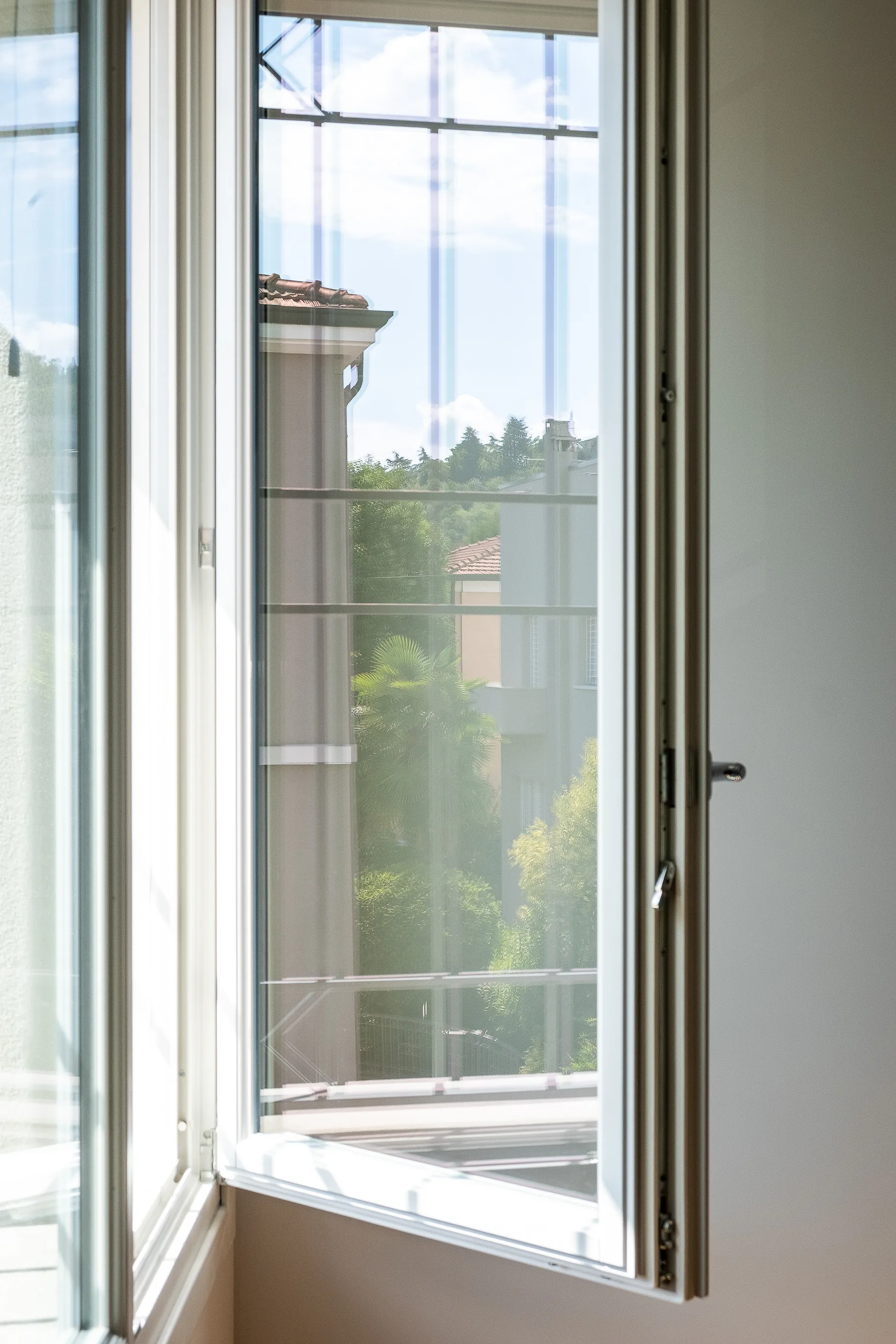
The windows of the Bianchetti House have thermal transmittance U < 1.2 W/m2K and double/triple glazing. Transmittance is used to measure the heat that passes through the window considered in its entirety (glass + frame). The lower it is, the more optimal the performance - in Bianchetti Houses it is always lower than the limits required by the climate zone. The material of the windows is regenerated PVC, plastic naturally has very low thermal conductivity compared to metal, so it contributes to reducing dispersions, is resistant to atmospheric agents, and requires little maintenance.

Technical characteristics:

Material: PVC

Thermal transmittance: U < 1.2 W/m2K

Triple glazing

sunshade roller shutter
Thermal Dispersions

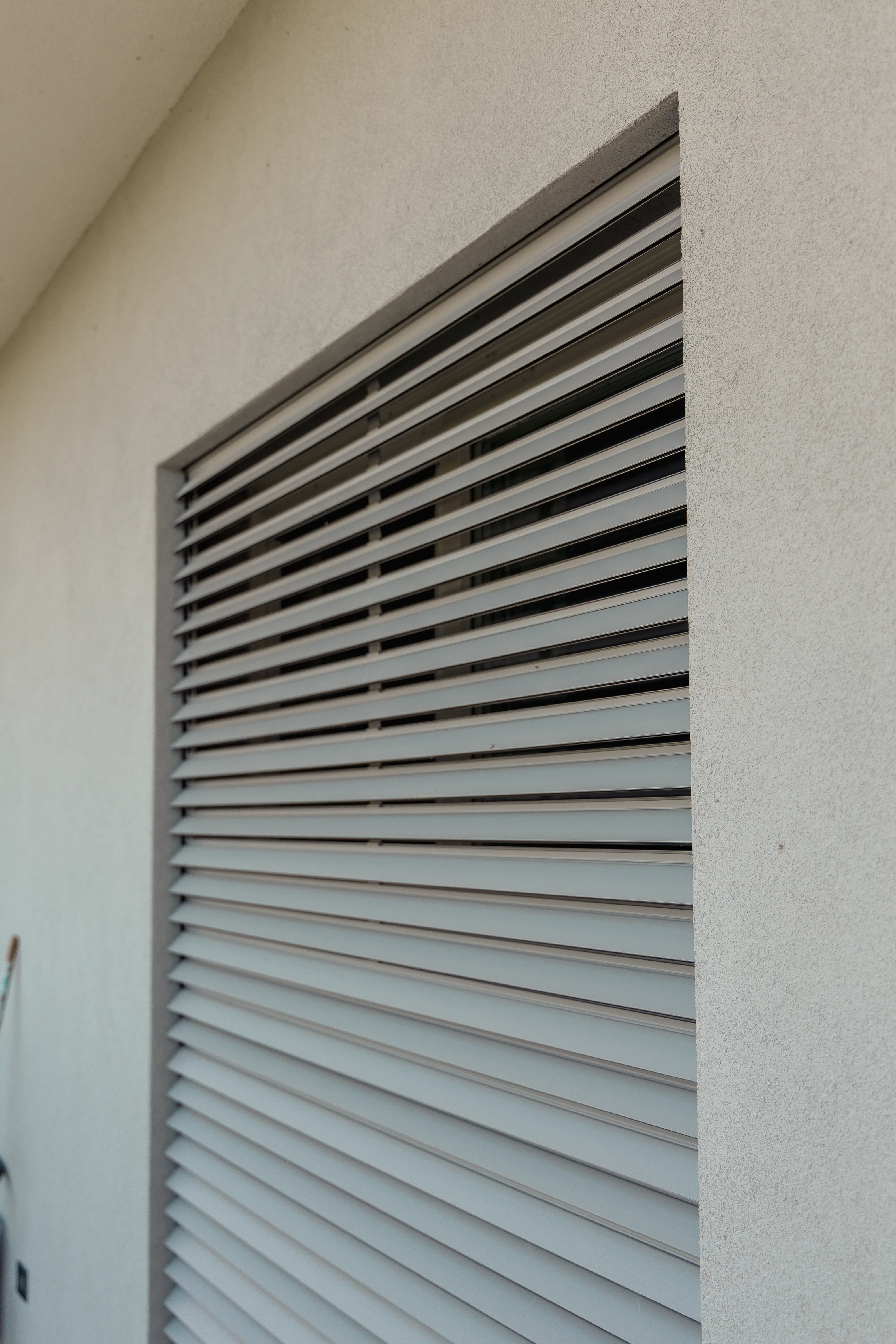
A high percentage of a property thermal dispersions is linked to the quality of the shutters. In the Bianchetti House, motorized roller shutters with compact motors are installed. This type of sunshade shutter is in insulated aluminum with a light and resistant profile, it is designed to offer the best internal view without giving up external protection. The system is active, that is, capable of interacting with the living space by modulating light, air, and privacy dynamically.

entrance doors
Security Door

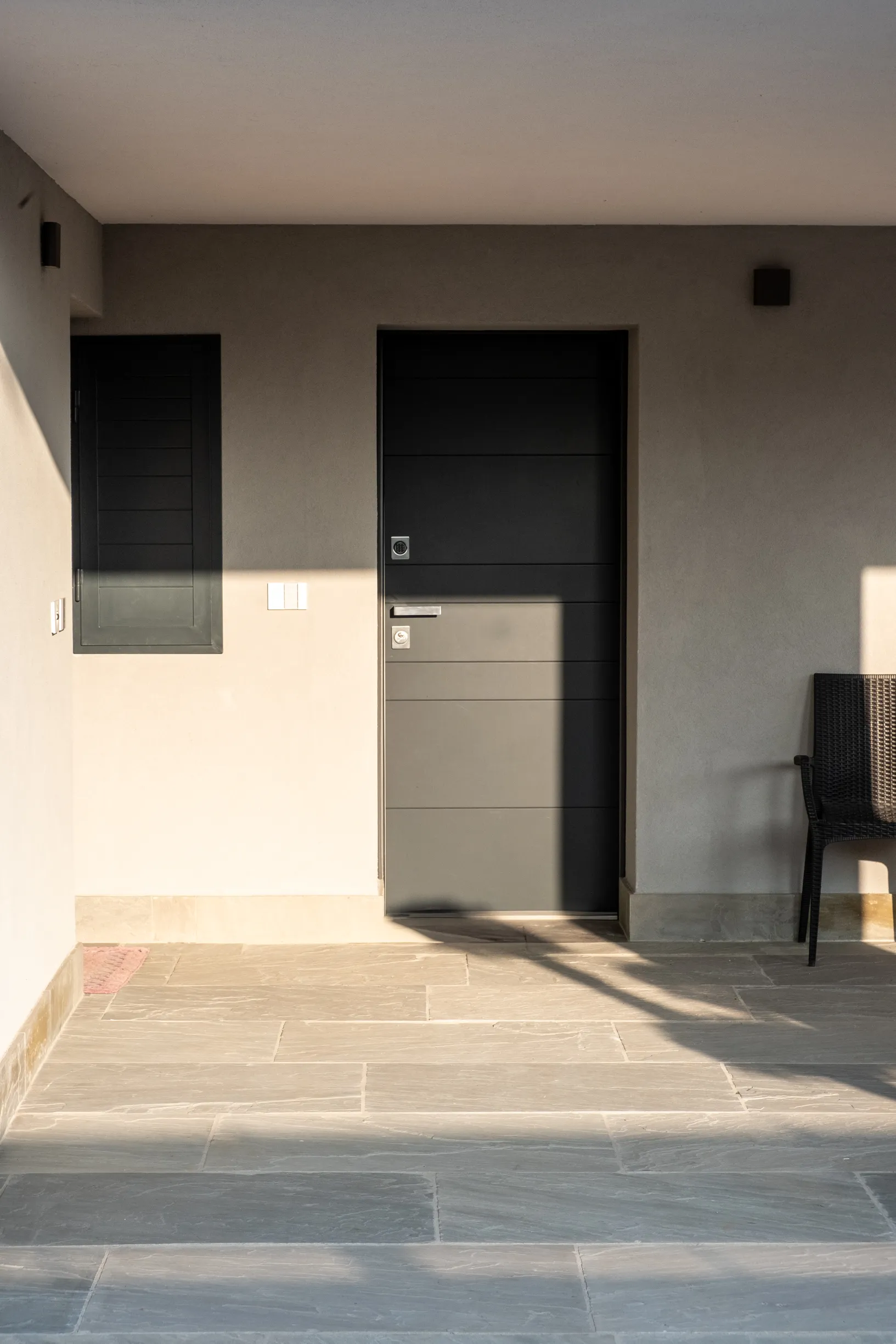
The security door is also a constitutive element of the envelope. In the Bianchetti House we install entrance doors with excellent thermal insulation that reduces the possibility of condensation formation. The chosen model is also characterized by high acoustic insulation, excellent burglary resistance, and good weather resistance.

Eco-sustainable materials and optimized resources

To reduce the environmental impact of construction

To create houses with high energy performance, durable and beautiful, the choice of materials and raw materials counts. The Bianchetti House is characterized by the continuous search for sustainable, evolved, and high-performing proposals on the market. The insulating materials we use comply with the Minimum Environmental Criteria (CAM), which establish stringent requirements on recycled content, emissions, durability, and supply chain traceability. The adoption of CAM products guarantees not only high performance but also a lower environmental impact in terms of production, use, and disposal. A fundamental role is attributed to the Life Cycle Assessment (LCA), the assessment of the product’s life cycle. This approach allows for analyzing the environmental impact of materials from the raw material extraction phase up to their disposal or recycling.

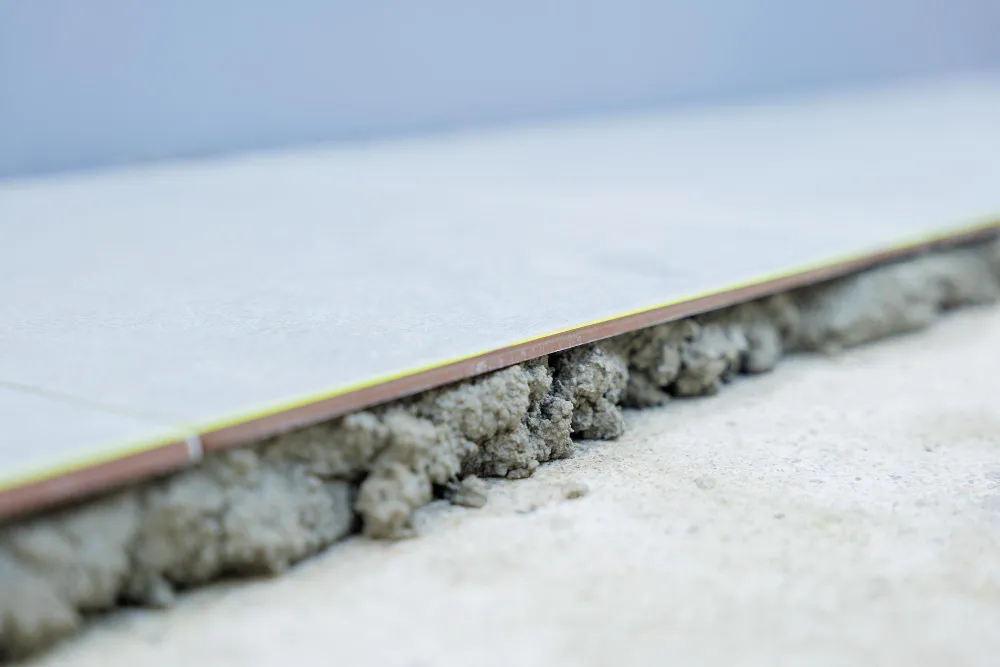
The construction solutions we will propose to you express our choice to commit more and more towards sustainable building practices. An example is the use of dry systems, i.e., construction methods that bypass the use of wet materials like mortar or cement. This results in both an acceleration of the process and greater precision in the final result. Prefabricated components or plasterboard panels are certainly lighter and more adaptable materials that absolutely do not compromise aesthetic and structural quality. They can also come from recycled sources (or be recyclable themselves) and thus contribute to reducing environmental impact. This is an aspect we generally consider for internal walls, subfloors, insulation, skim coats, and painting.

Zero emission (ZEB) or nearly zero (nZEB)

To be in line with European regulations

Among the solutions put in place by Europe to achieve climate neutrality by 2050, the Energy Performance of Buildings Directive (EPBD) acts on the construction sector, responsible for the majority of CO2 emissions in the territory.

According to the latest updates, it provides that, starting from January 1, 2028, all new buildings owned by public authorities and, from January 1, 2030, all other new residential and non-residential constructions, must be zero-emission buildings (ZEB).

In Italy, since January 1, 2021, the zero-emission obligation has been introduced for all new buildings or for interventions that involve demolition and subsequent reconstruction. By May 2026, the government must transpose the Directive by applying it to national legislation.

high energy efficiency
High energy efficiency

The Bianchetti House is born as a high energy efficiency building, precisely in compliance with the Green Homes Directive: it can be nZEB, that is, a nearly zero-emission building, or ZEB, designed to produce as much energy as it consumes on an annual basis. These houses, in addition to making people live in better conditions, significantly reduce the environmental impact of the construction world, being characterized by:

- Advanced thermal insulation and ventilation that guarantees air exchange without energy waste;

  • Low-consumption systems, such as heat pumps, condensing boilers, LED lighting, and automation systems that regulate energy use based on real needs, optimizing consumption;

  • Renewable energy sources, including solar, wind, and geothermal which, in addition to meeting the building's energy needs, significantly reduce dependence on the grid;

Efficient plant system

To optimize energy and reduce consumption

Today, a home’s systems aim for maximum efficiency of the resources used, whether they are responsible for water distribution, ambient temperature regulation, or energy production. For the air, in addition to cooling and heating, we use systems for automatic renewal such as Controlled Mechanical Ventilation (VMC). The main objective of the Bianchetti House’s systems is to optimize consumption, reducing emissions and elevating your way of living. How is all this made possible?

The sanitary system is made with multilayer pipe
Sanitary Systems

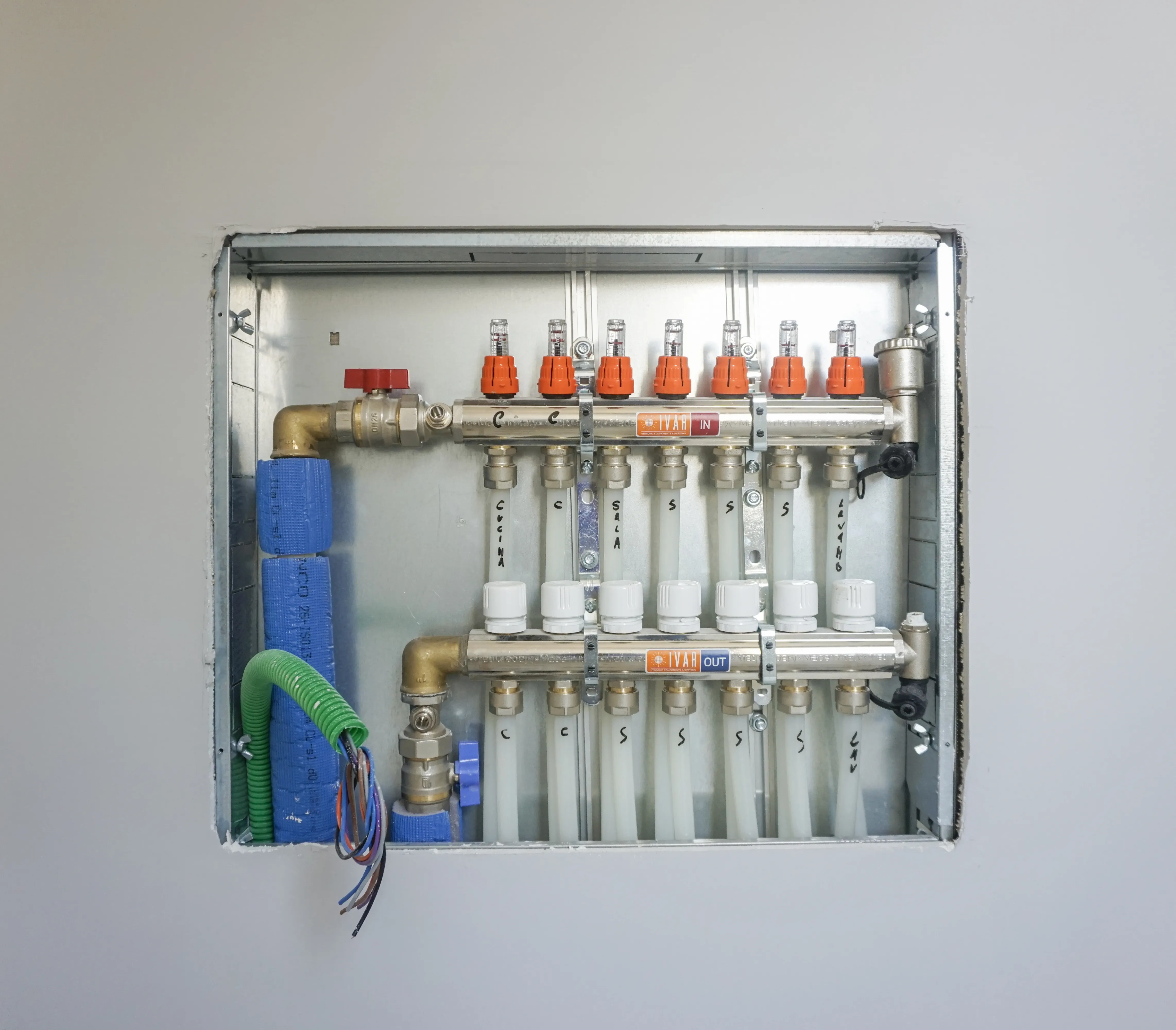
The sanitary system is made with multilayer pipe, a component with greater mechanical resistance and lower dispersion; distribution manifolds for each floor for easy maintenance, soundproofed pipes and drain columns. Its command center resides in an electric thermal power station with a heat pump with a storage tank for domestic hot water and a softener, a device designed to reduce tap water hardness, preserving both appliances and laundry, as well as your skin and hair.

point thermostats for each room
Thermostats

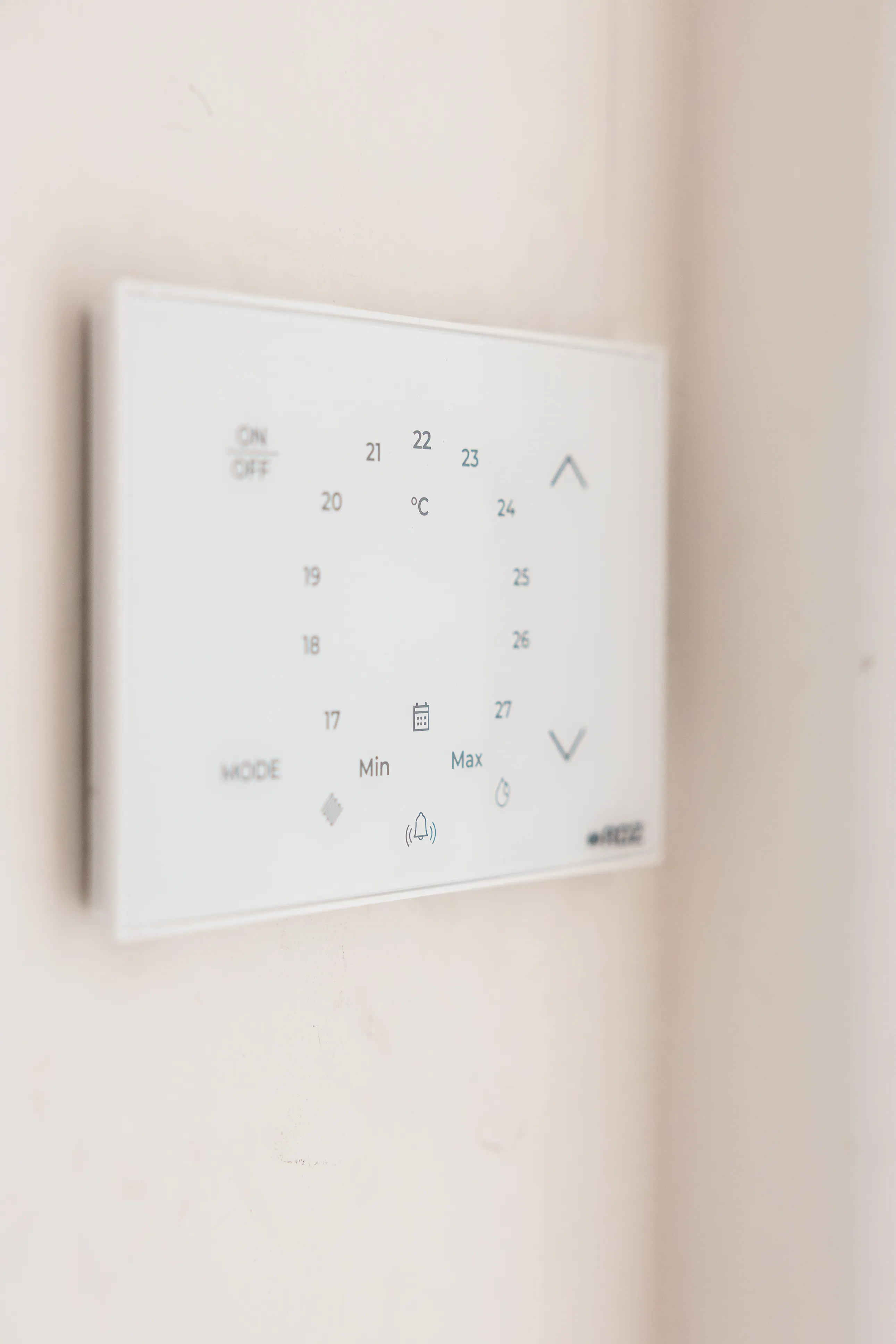
In the Bianchetti House, the temperature regulation system is centralized, realized with probes and point thermostats for each room, so that each is autonomous, with the possibility of remote control via app.

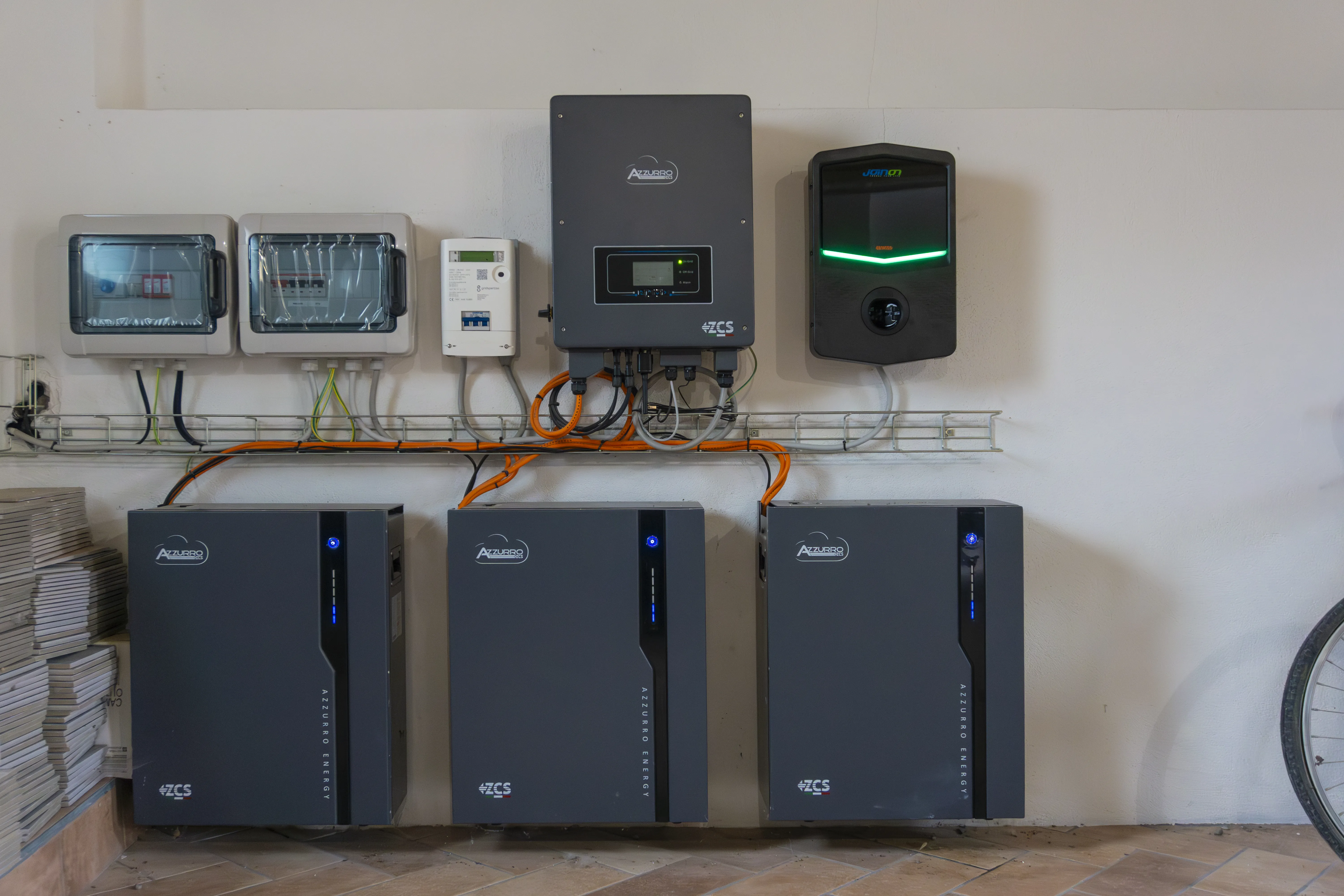
Bianchetti electrical system
Electrical System

Smart electrical system of the best brands on the market, such as BTcino and Vimar, selected because they offer solutions with maximum flexibility and above all provide continuous support and assistance.

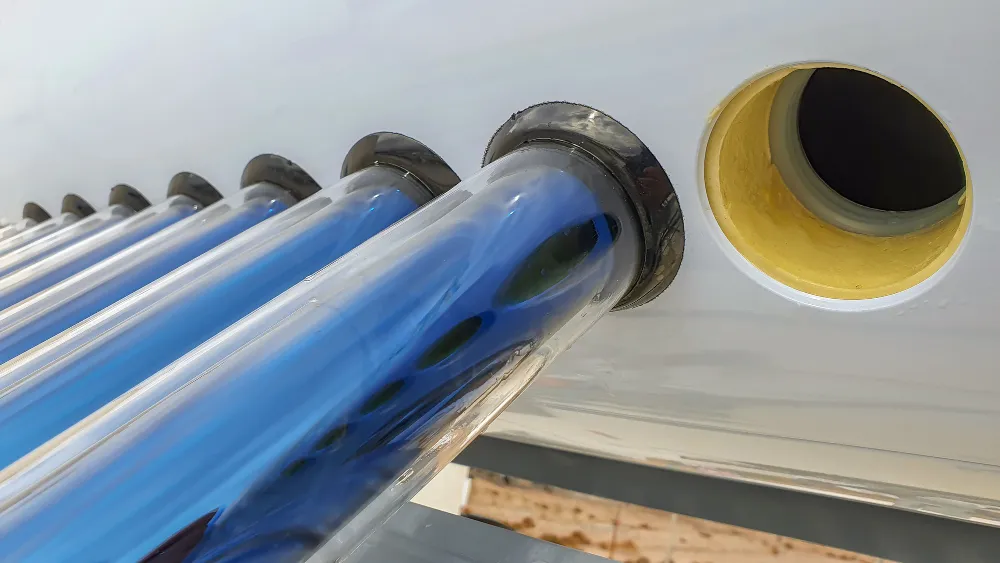
photovoltaic system
Photovoltaic System

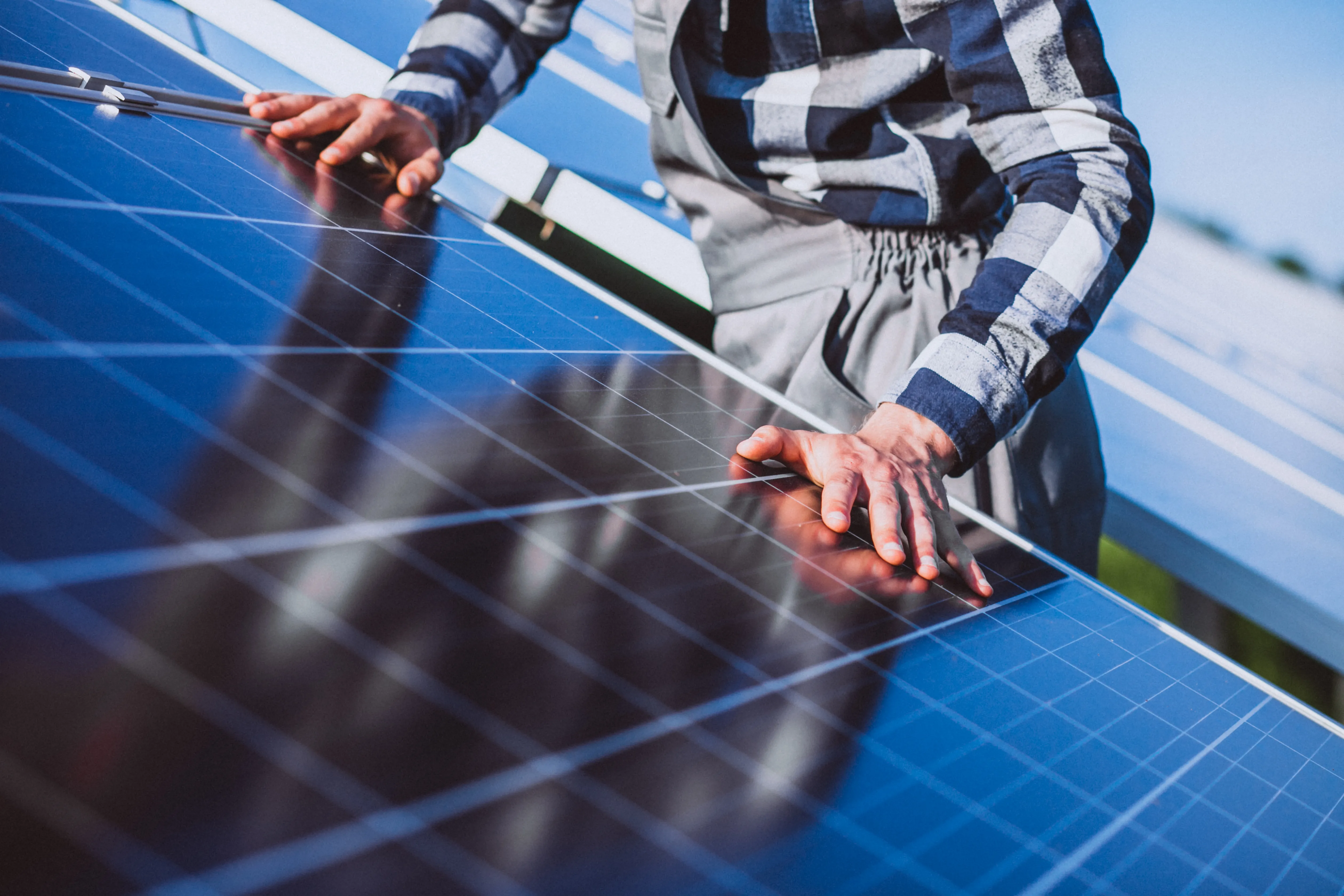
The presence of a photovoltaic system is the best solution for the autonomous production of electricity. A system with photovoltaic panels (brand X) for a total power of tot kW is installed on the roof of the house. The system is completed by storage batteries that allow for storing energy to use it later (e.g., at night or with a cloudy sky) or to feed it into the grid.

Automatic air renewal and humidity control

For healthy environments in which to breathe well

In the house we are used to opening the windows to “change the air”, whether due to unpleasant odors or for temperature issues. However, in the Bianchetti House there is a system that optimizes the result, making this habitual gesture practically useless (which is anyway only illusorily effective).

Even just by living in the house, it becomes polluted - by CO2, water vapor, chemical releases from everyday objects - and, without realizing it, we live quietly in a toxic environment where it stagnates. This, in the long run, affects our health. Talking about indoor well-being starts here: from improving the quality of the air we breathe every day.

Installed Controlled Mechanical Ventilation (VMC) system
Controlled mechanical ventilation (VMC)

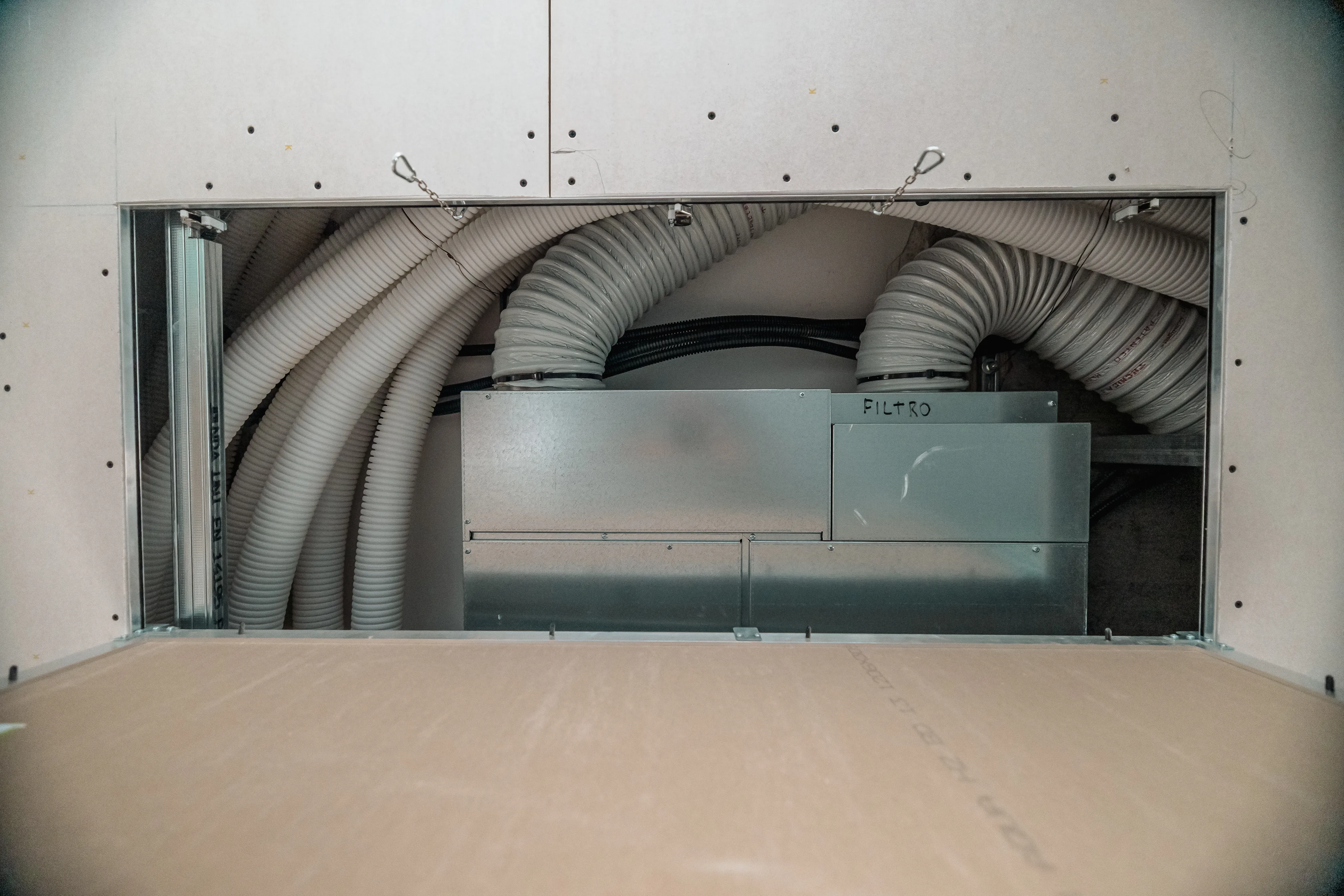
For greater air health, the heating and cooling system of the Bianchetti House is integrated with controlled mechanical ventilation (VMC) systems with heat recovery.

VMC guarantees the renewal of indoor air (24/7) with a much lower temperature variation compared to the energy waste that would occur with traditional ventilation (opening windows or with extractors). Furthermore, thanks to humidity control, it prevents the formation of condensation and prevents mold. Equipped with special filters, it can also trap dust, pollen, and other particulate matter.

Security systems

To make you feel safe

Security becomes an integral part of the home: intelligent protection that allows for preventing risks and ensuring peace of mind for the whole family.

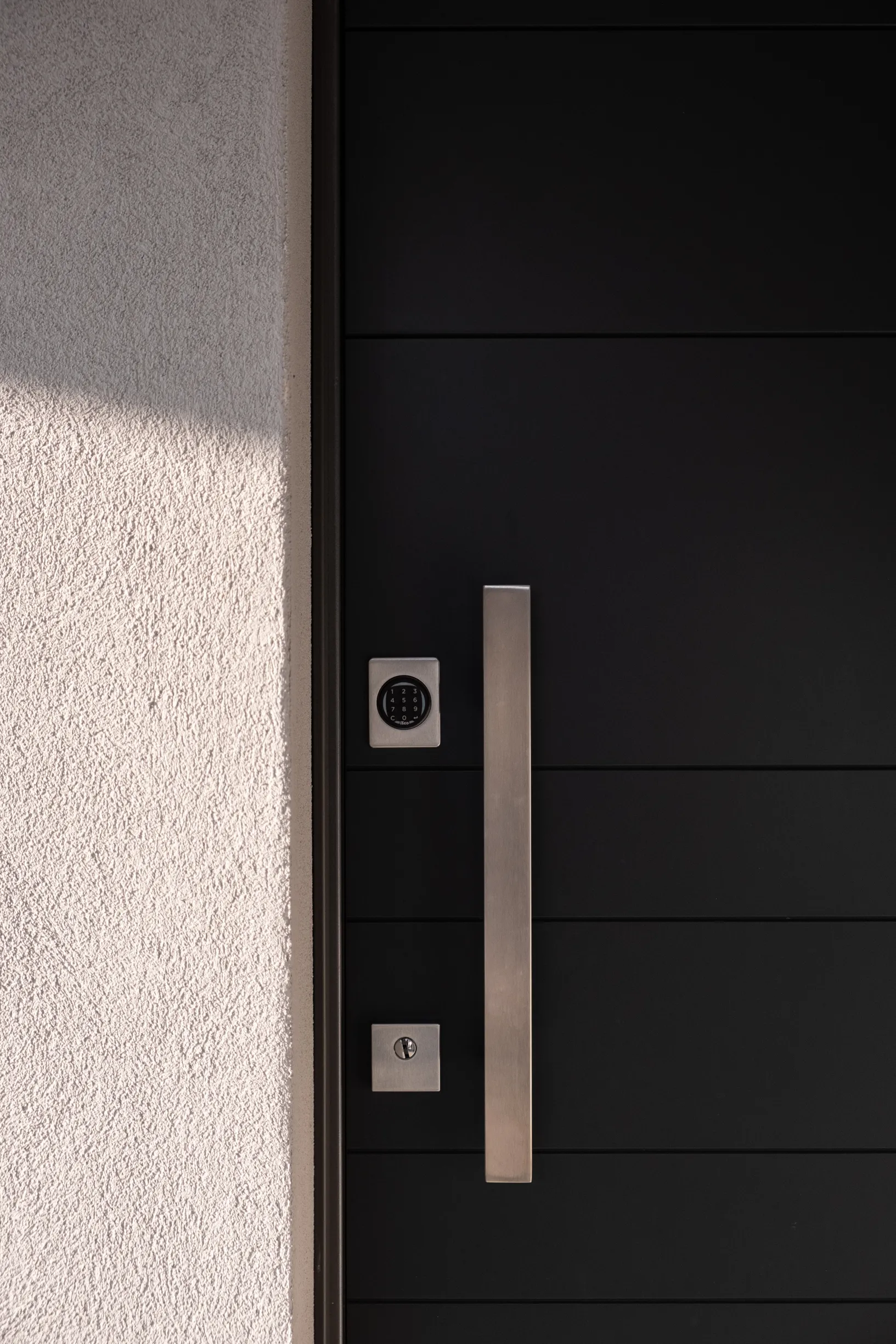
Bianchetti fingerprint
Daily Protection

Equipped with an integrated system of technologies dedicated to daily protection, the Bianchetti House aims to make those who inhabit it feel safe. Every access is controlled and simplified - the entrance of the door with fingerprint or code eliminates the need for keys and avoids risks related to loss or duplication.

Bianchetti video surveillance with alarm
Video surveillance with alarm

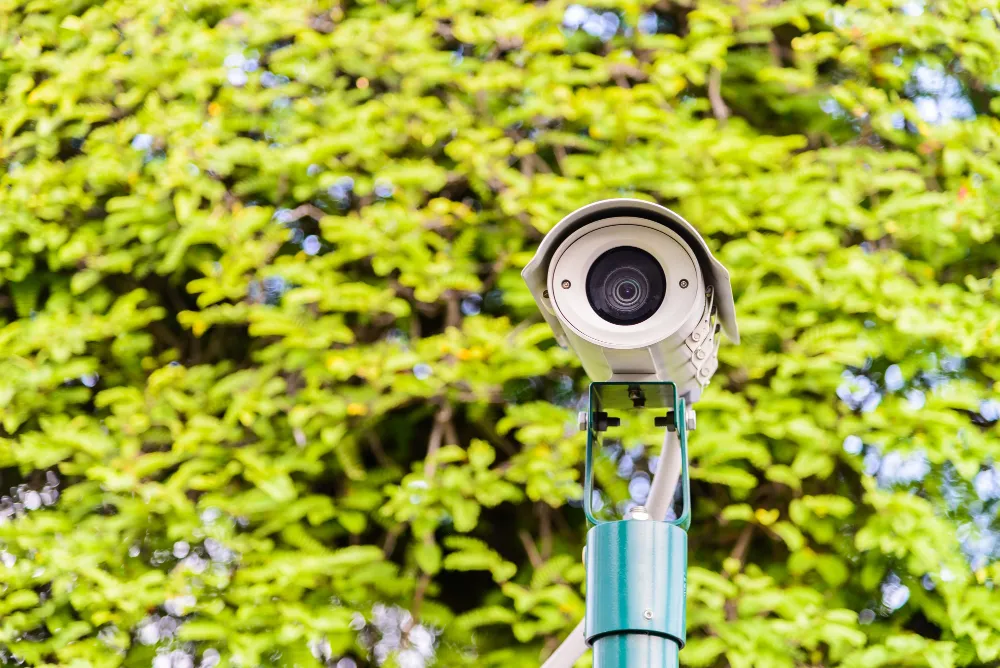
To this can be added a video surveillance system with alarm, to monitor the home at all times and promptly report any intrusions. The cameras, positioned at strategic points, offer complete coverage of outdoor spaces, while the sensors guarantee a discreet but constant control.

Noise reduction solutions

To improve acoustic comfort

Noise is not the first factor we think of when we want to build a house, yet it has a long-term impact on the way we live, influencing concentration, learning, mood, and sleep. The conditions of acoustic comfort (or discomfort) in construction are determined both by the external environment, such as traffic noise and commercial activities, and from the inside, such as neighbors or the home’s systems themselves.

The Bianchetti House aims to reduce the harmful effects of noise exposure on our organism. And it does so in full compliance with the decibels established by acoustic legislation, whose regulations differ at the national, regional, and municipal levels. In fact, just as we can establish the energy classification of a building, so it happens for its acoustics which provides for four classes (Class I being the best performance).

Bianchetti envelope
Envelope

Already starting from the envelope, the Bianchetti House acts for the acoustic comfort of its inhabitants. Just think of the fact that air passes through sound and, being perfectly insulated, its acoustic performance is also better. This air-tightness characterizes both the walls and the windows (whose reference values must obviously be considered when closed).

impact sound insulation materials
Impact sound insulation materials

Between the floors, impact sound insulation materials are installed that avoid hearing the steps of those above, and even between the rooms we adopt solutions to guarantee the privacy you require, especially in the case of walls bordering other properties.

soundproofed drain columns
Soundproofed drain columns

Another example, going more into detail, are the soundproofed drain columns so as not to hear the passage of water in the pipes and the connected noises.

Resistant structure and solutions for climate change

To best face earthquakes, fires and atmospheric phenomena

The ability of a building to face climate change and natural disasters is now a concrete necessity. In addition to offering greater protection to those who inhabit it, it contributes to reducing insurance costs and increasing the property value.

First of all, unlike traditional homes, often characterized by internal air movements that reduce comfort and over time can also cause structural damage, the Bianchetti House adopts a structure designed to eliminate these criticalities.

The house is earthquake-resistant, to dissipate stresses and protect internal spaces in the event of an earthquake. It is also designed to guarantee fire resistance, thanks to the use of certified materials and solutions that delay the spread of flames.

reuse water
Rainwater tank

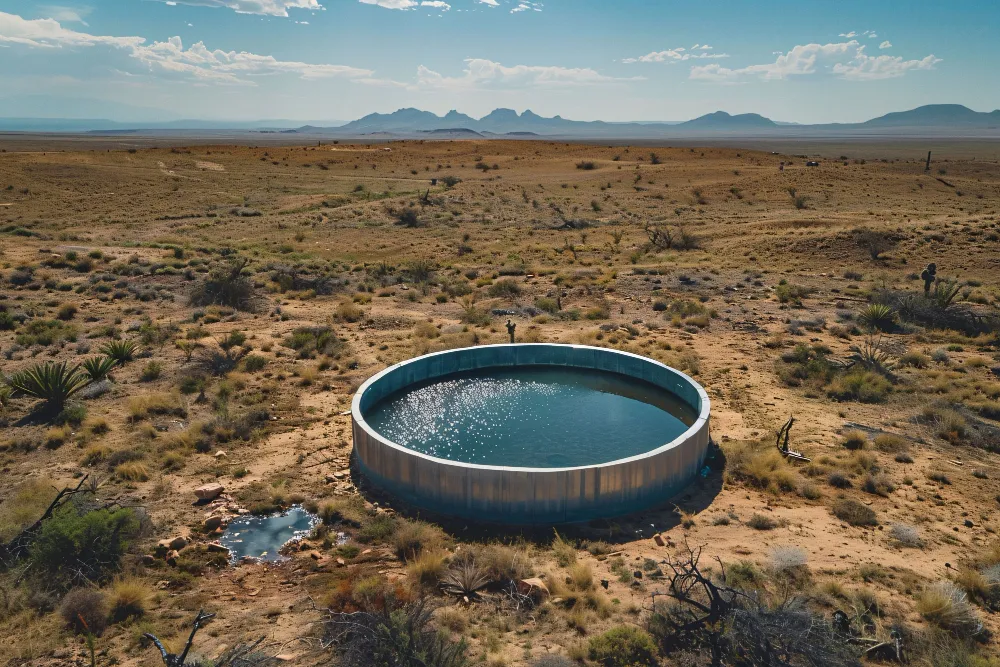
Its strength also takes into account the increasingly frequent and intense phenomena generated by climate change. Flash floods, for example, can cause sudden flooding and costly damage. To counter this risk, the Bianchetti House integrates a rainwater collection tank, installed in the garden/courtyard. This solution not only reduces the effects of extreme precipitation but also allows for reusing water for irrigation or for drains, reducing water consumption.

Installation of hail-proof photovoltaic panels
Hail-proof photovoltaic panels

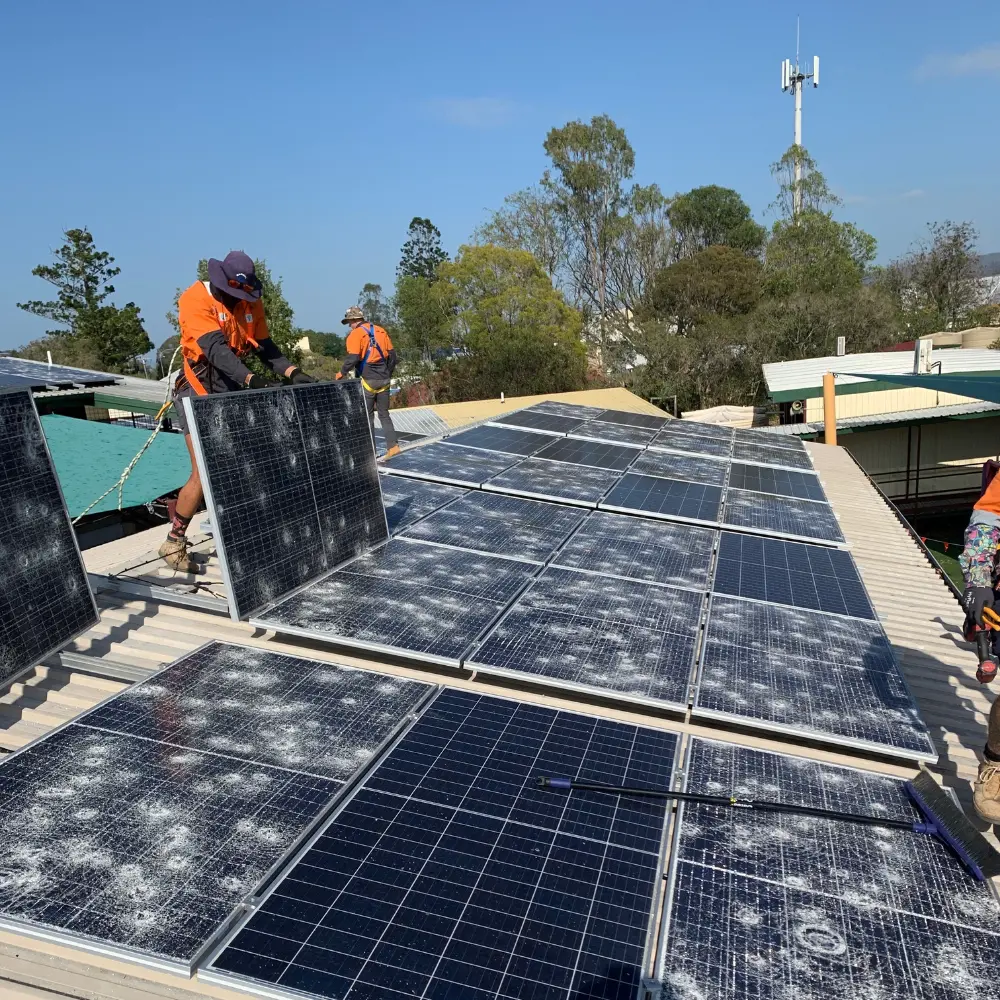
Another element that testifies to its resilience is the hail-proof photovoltaic panels, designed to withstand larger and more violent ice grains than those considered by traditional standards.