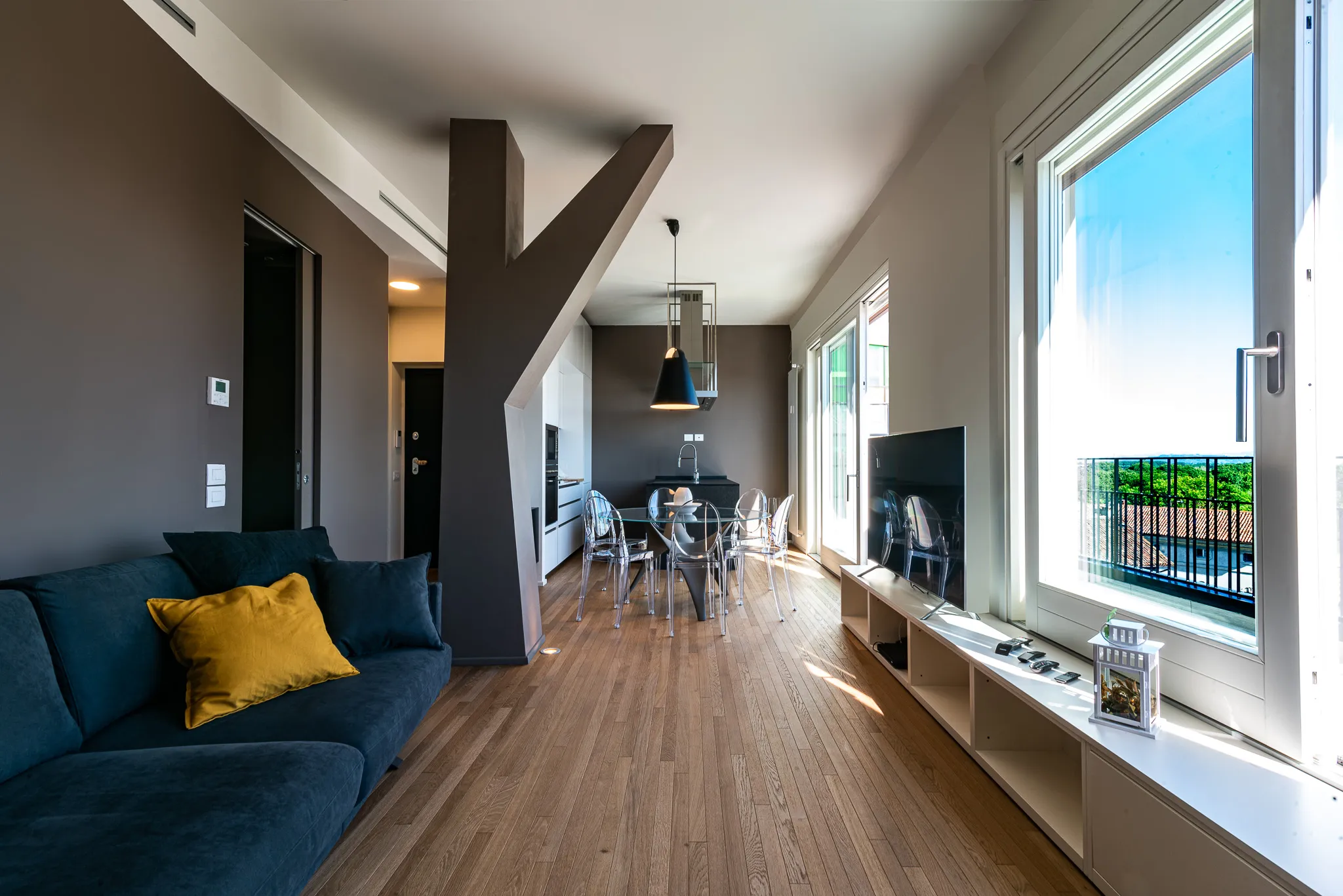
In Brescia, a building from the 30s rediscovers its manor nature through a structural, technological, and aesthetic challenge. A case of recovery and innovation.
Project category
Building renovation
Work start date
February 4, 2026
Work completion date
February 17, 2026
The transformation of this building from the 30s into a contemporary semi-detached residence was a complex intervention between historical constraints, anti-seismic consolidation, and advanced home automation. Here the charm of the past meets the energy efficiency of the future.
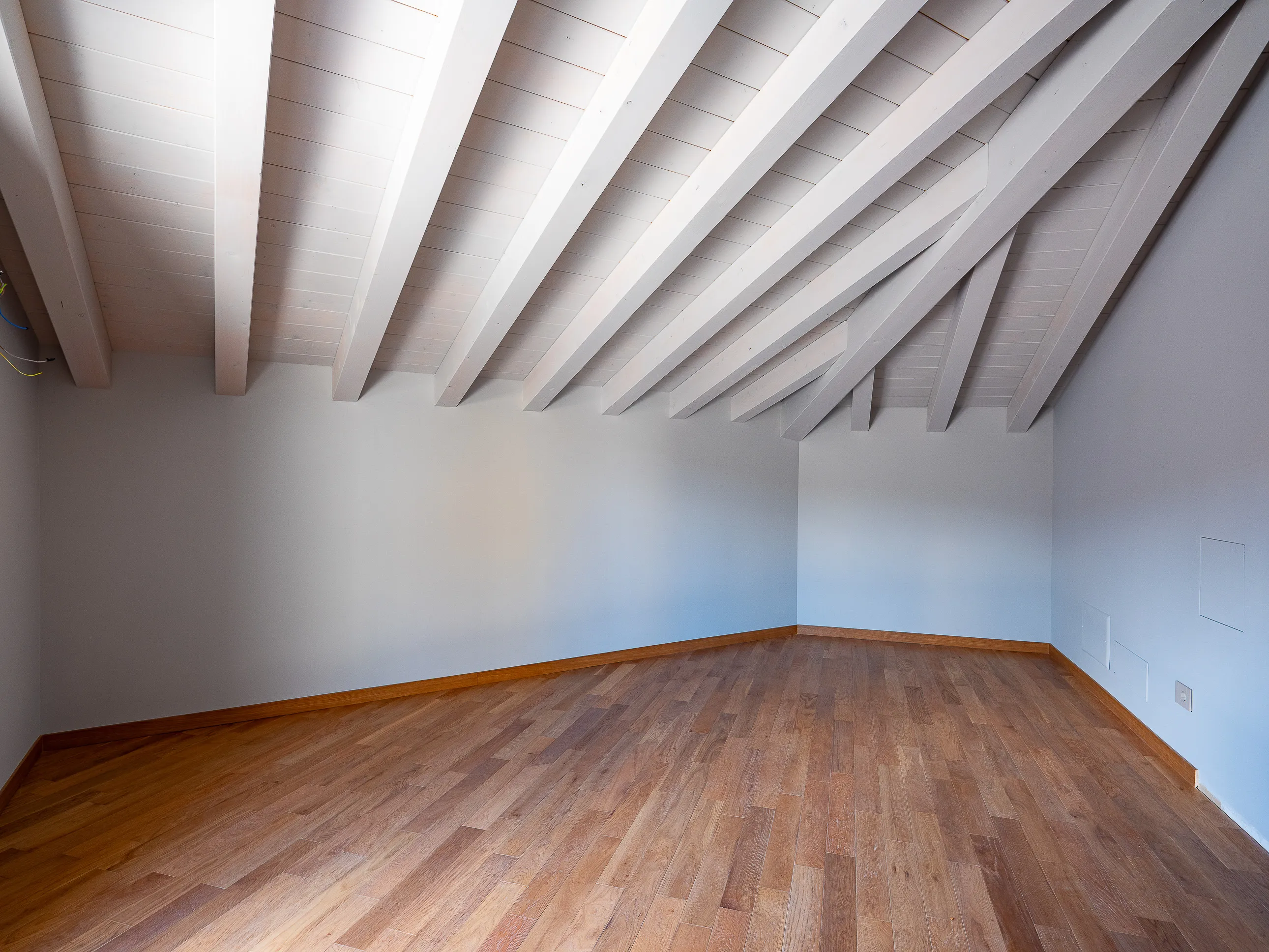
We started with a critical analysis of the building's potential and the subsequent drafting of a tailor-made project for the specific needs of the family. The heart of the intervention was the redistribution of internal spaces to create two independent units: one for the mother, on the raised ground floor, the other for the daughter and grandchild, on the first floor and attic. Fundamental was the recovery of the attic for residential purposes obtained by raising the roof and lowering the top floor ceiling. Pocket terraces were integrated into the roof, giving brightness to the living area and study rooms.
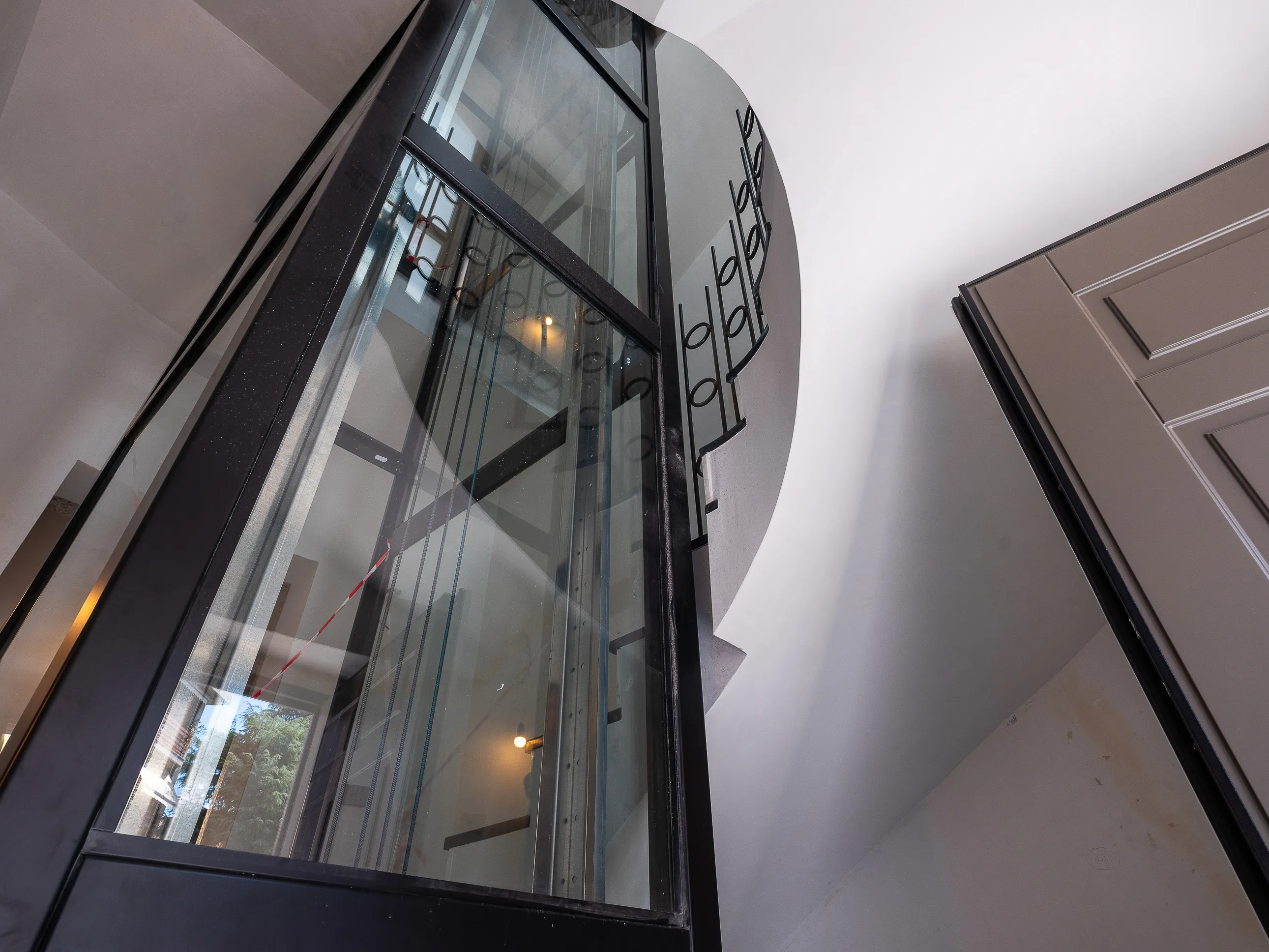
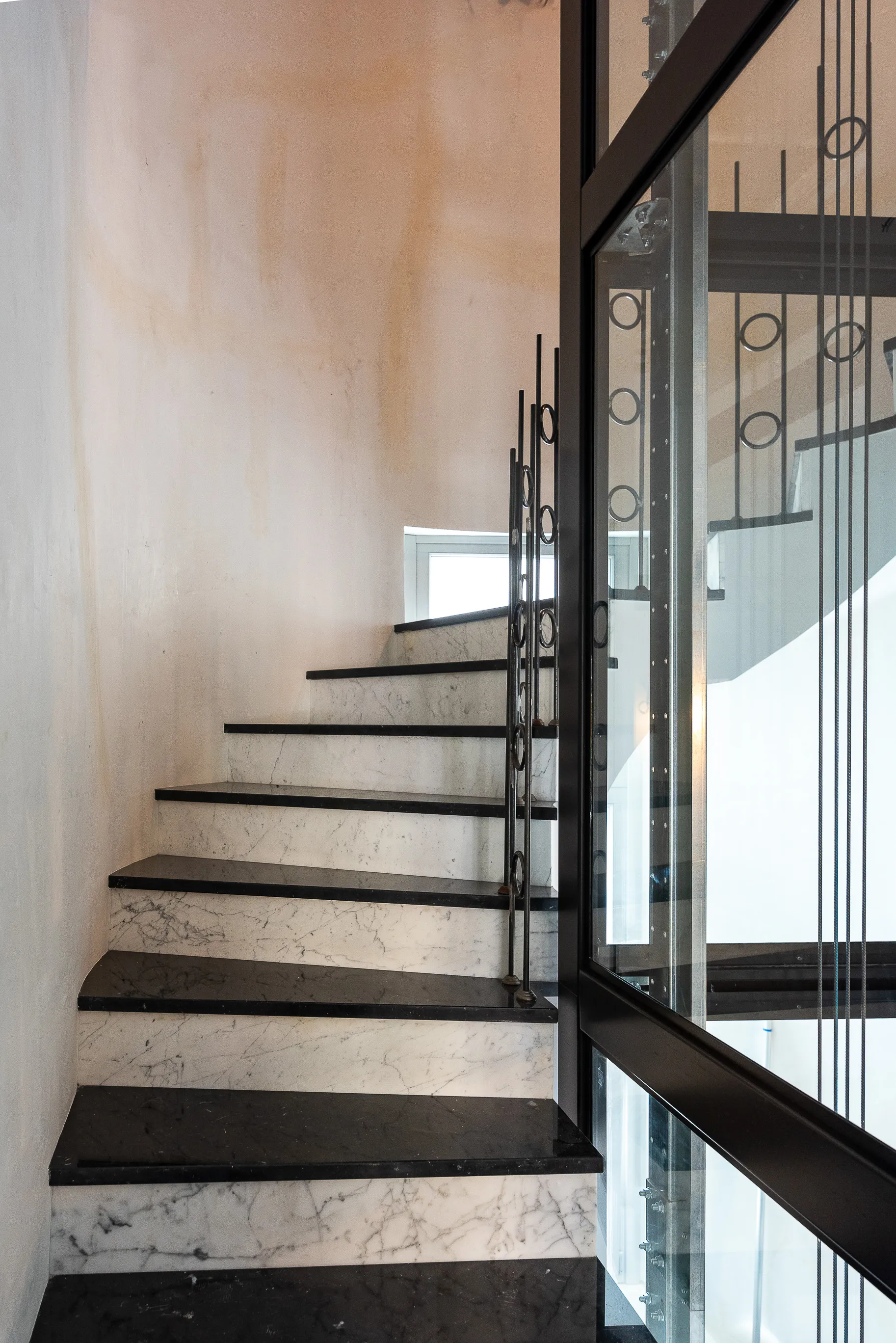
To connect and make the various floors accessible, in addition to the refurbishment of the staircase, we installed a glass and steel elevator.
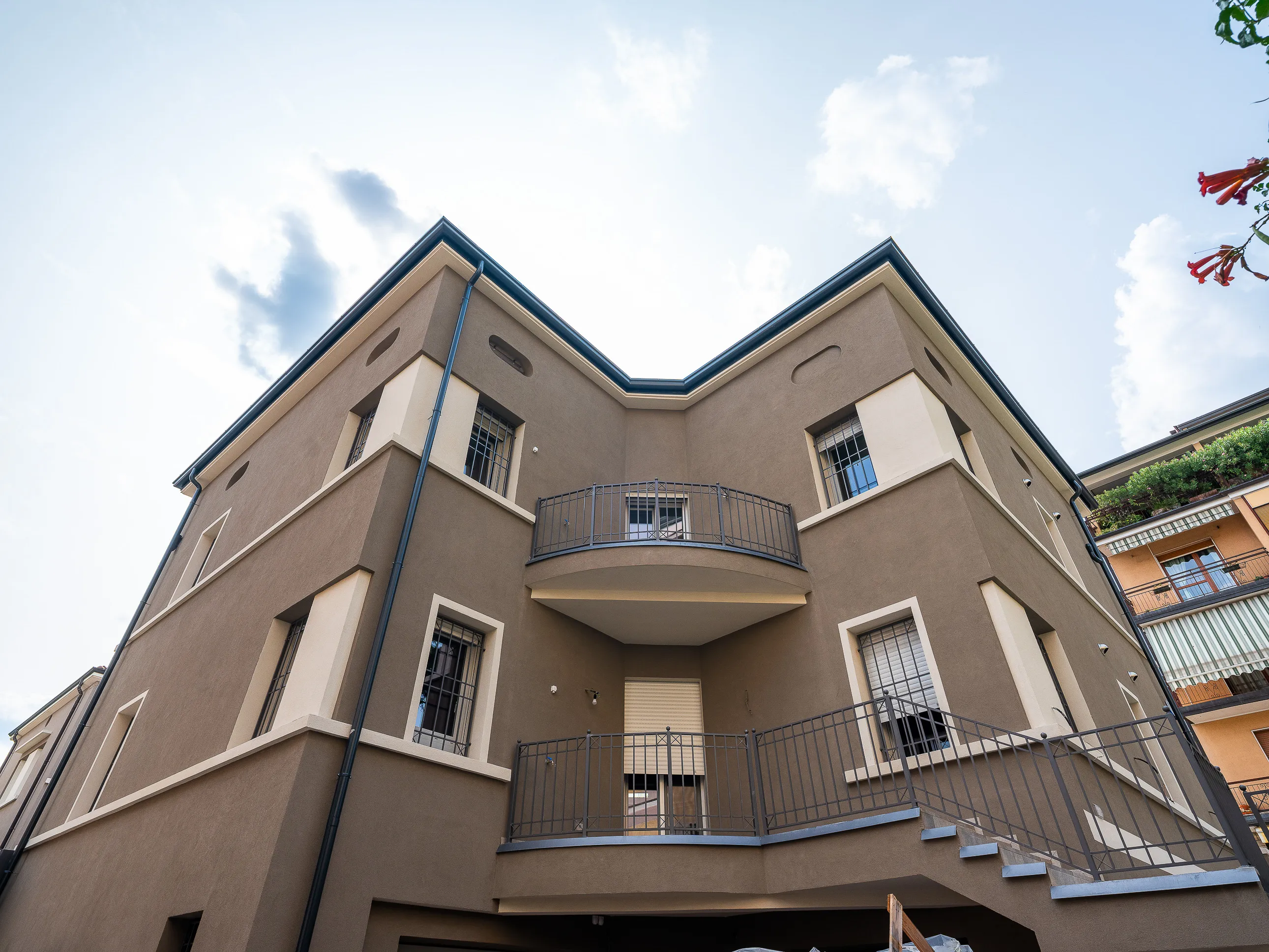
Making a building from the 30s earthquake-resistant required specific structural interventions: from the consolidation of existing foundations to the application of reinforced plaster on load-bearing walls. The eight-sloped roof was completely rebuilt in glulam, using about 3,500 connectors. In parallel, energy efficiency was guaranteed by an external thermal insulation that faithfully reproduces the original moldings and stringcourses, harmonizing the facade with its twin building (on the other side of the street).
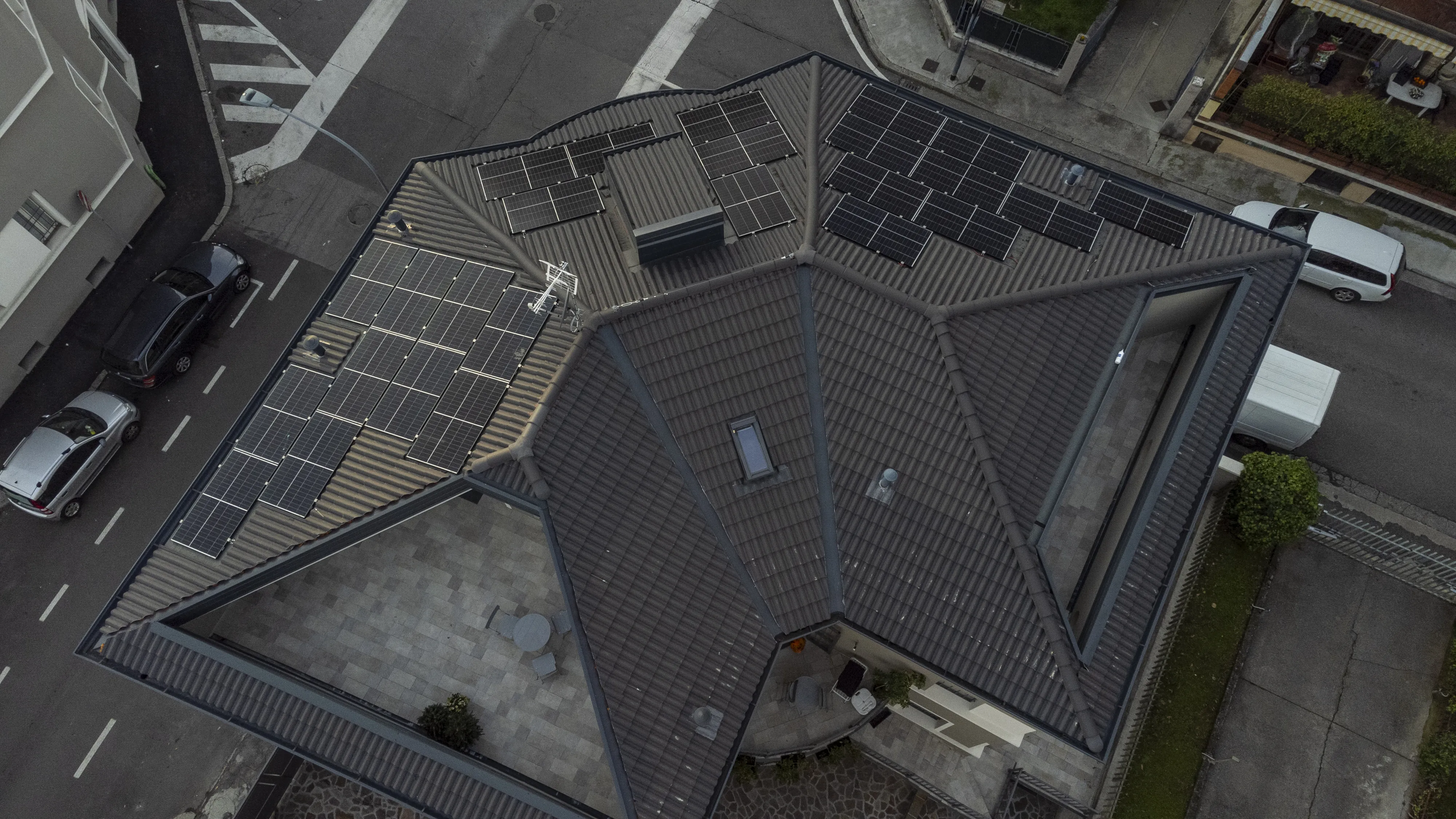
Technological innovation flows invisible under the floors: 3.5 km of pipes for the radiant heating and cooling system manage climate comfort. The entire building is connected to the city's district heating, which generates the hot water needed for both heating and sanitary use. The installation of integrated photovoltaic panels ensures a production of 11,000 kW per year from renewable sources. For the health of the environments, a Controlled Mechanical Ventilation (VMC) system guarantees constant air renewal, preventing humidity and condensation phenomena. Finally, the house is controllable via a Bticino Home automation system.
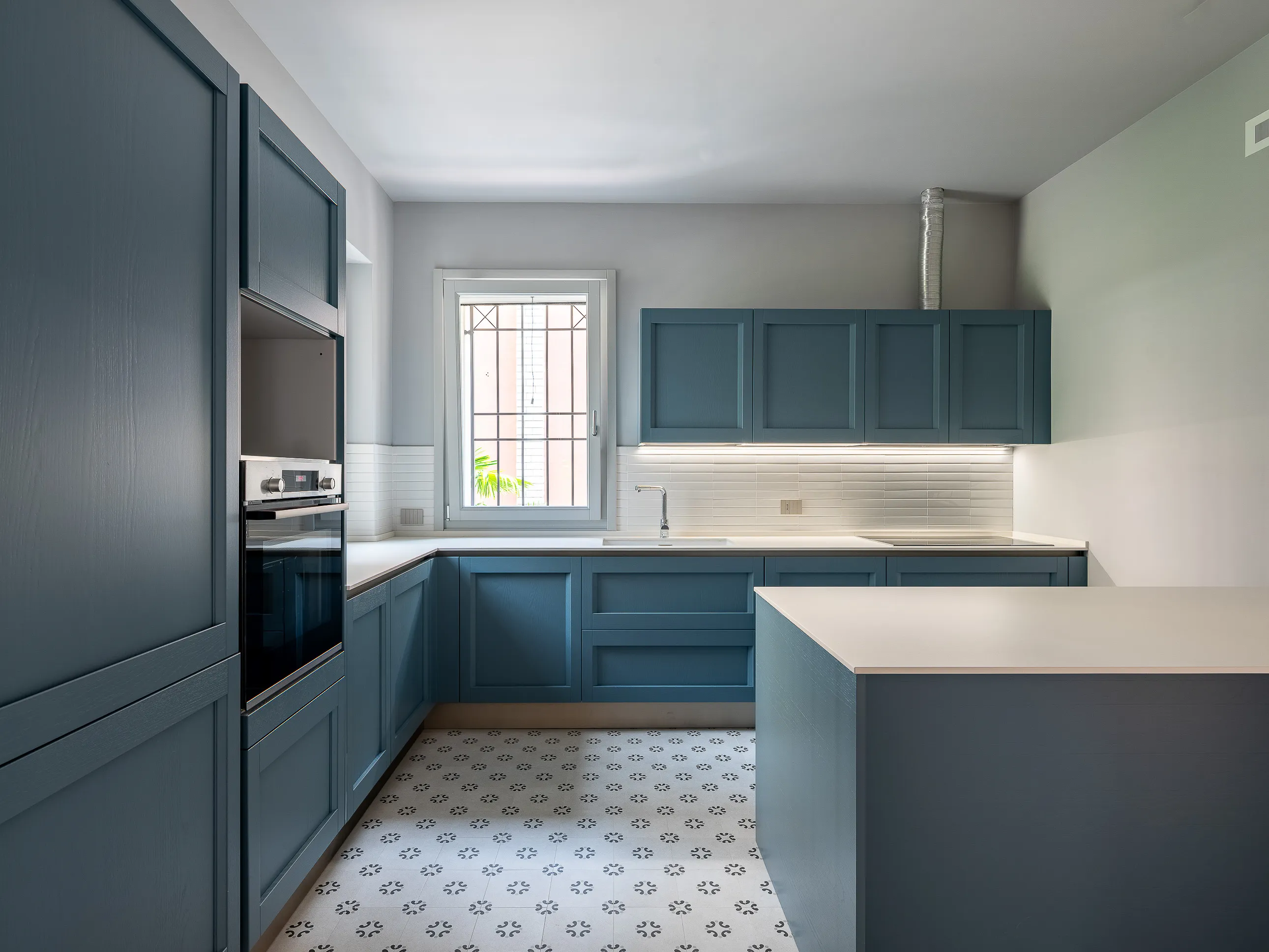
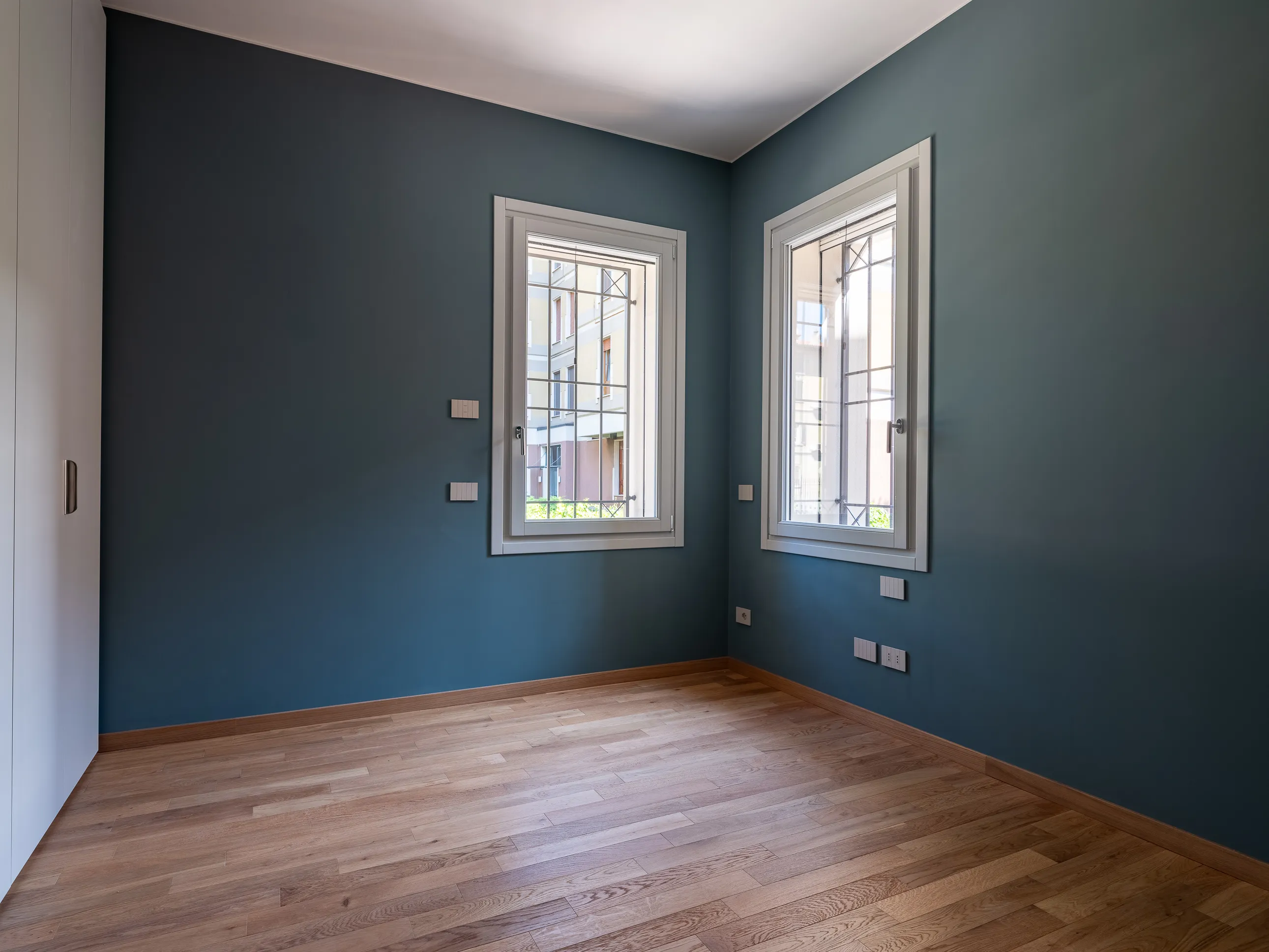
The interior design celebrates the construction period with sophisticated chromatic choices, such as the silk grey of the classical-style doors and the geometric grit tiles of the entrance in shades of dark green and black. The herringbone oak parquet, with an antique finish, suggests a lived-in elegance. Every detail, from the polishing of the original marbles in the entrance doors to the decorated cement tiles of the bathrooms, contributes to creating a timeless harmony, where the building's history and the new owners' lives merge.
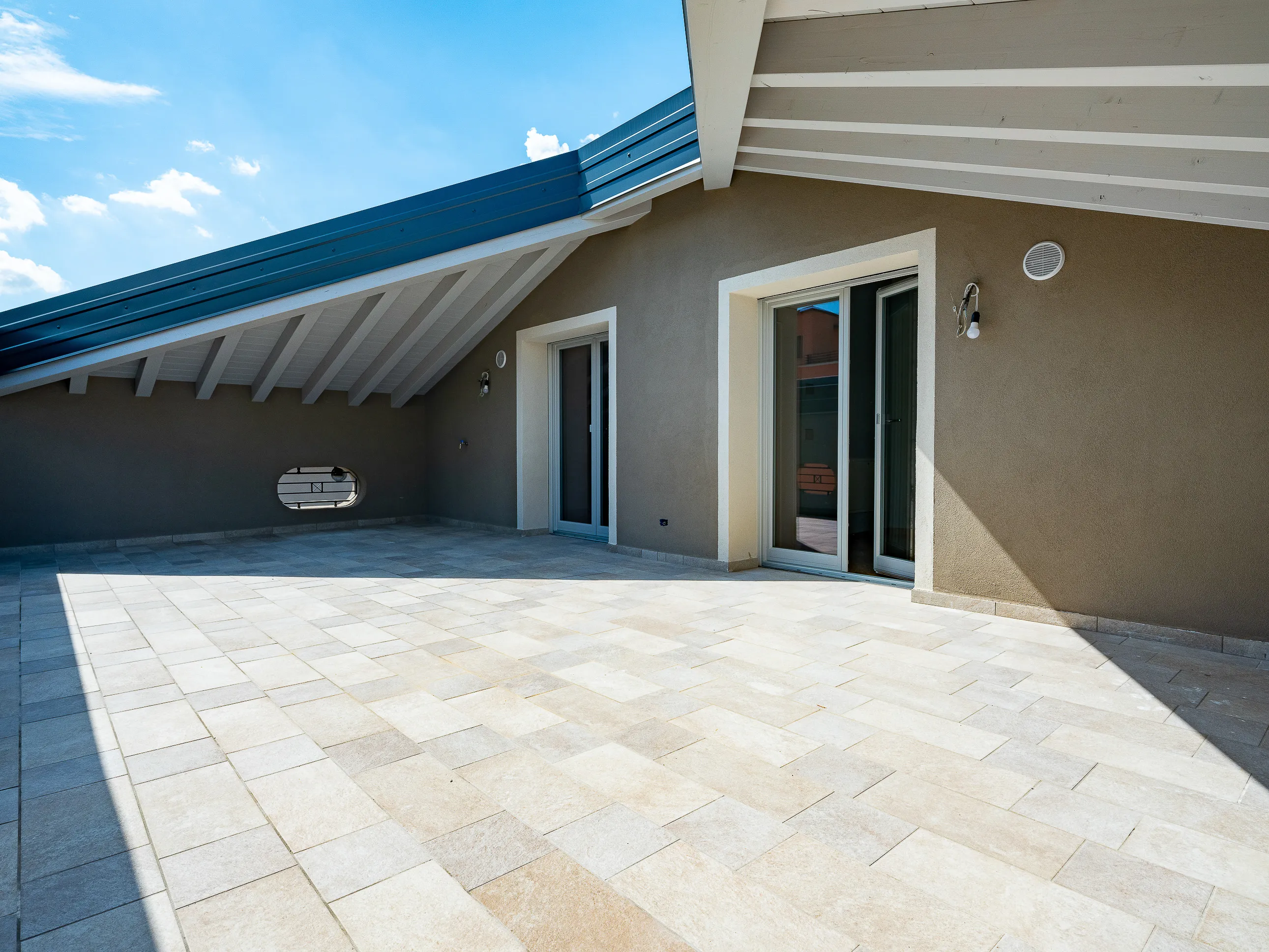
Every technical solution was designed for maximum efficiency and living sustainability.