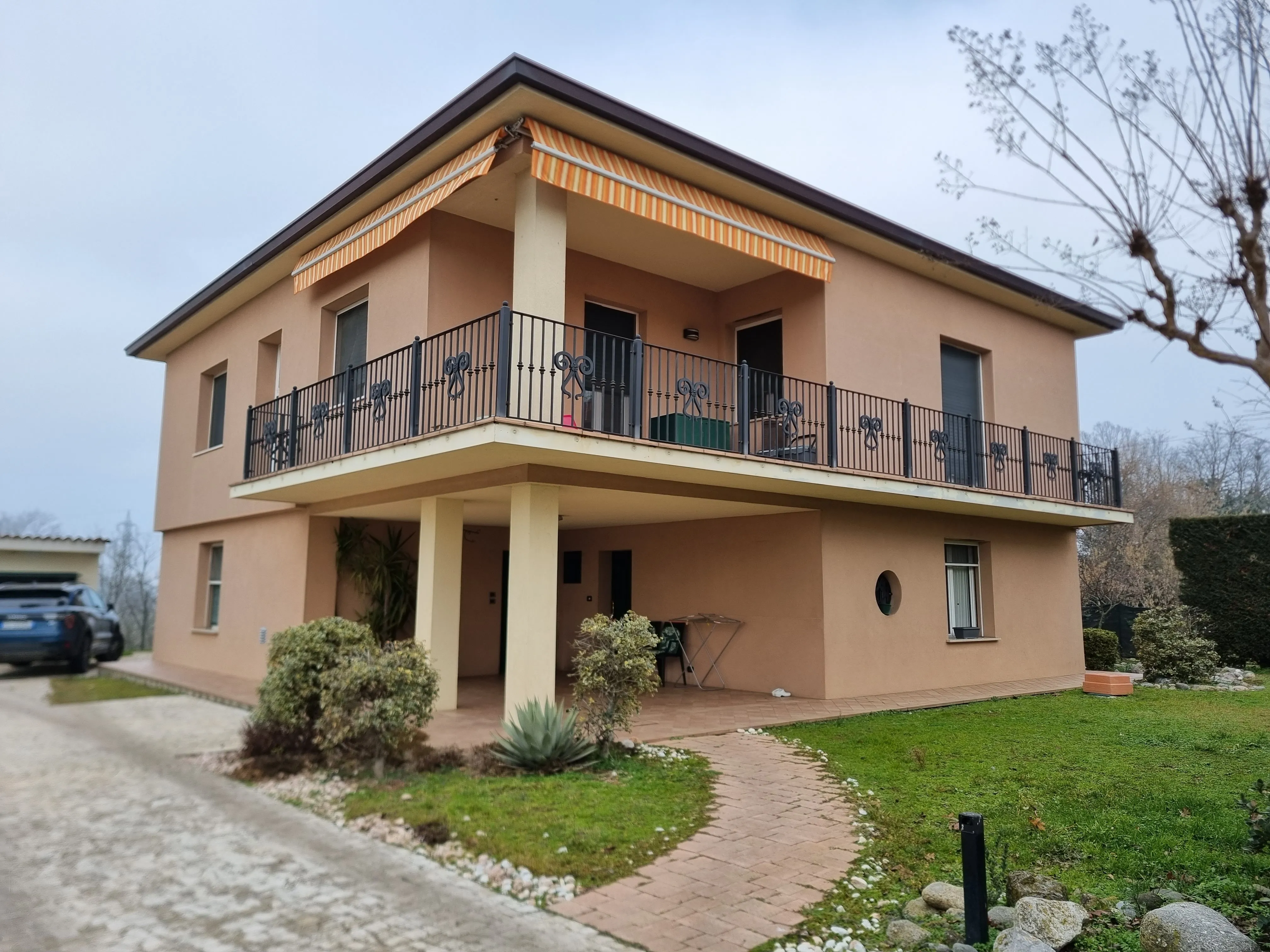
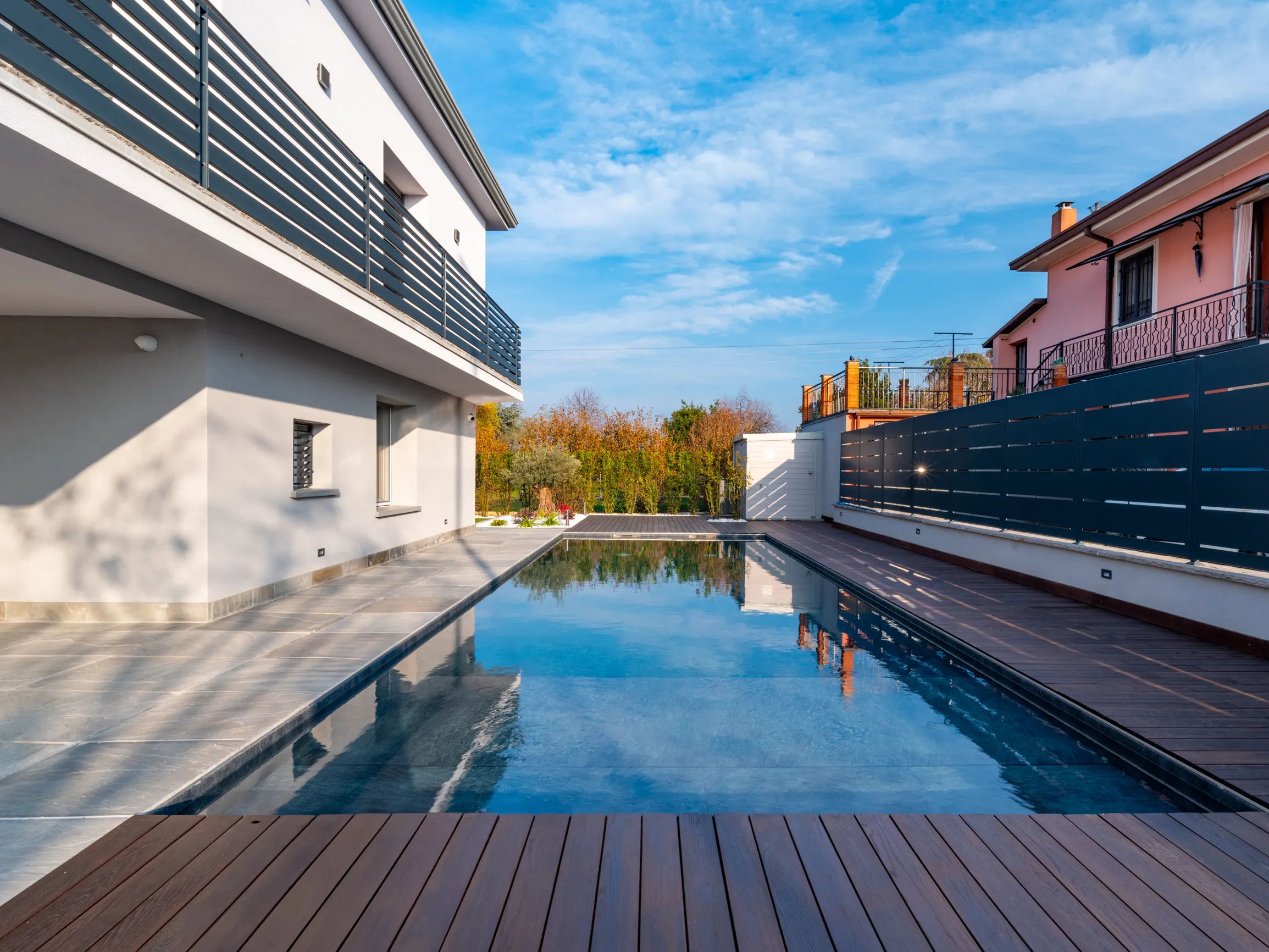
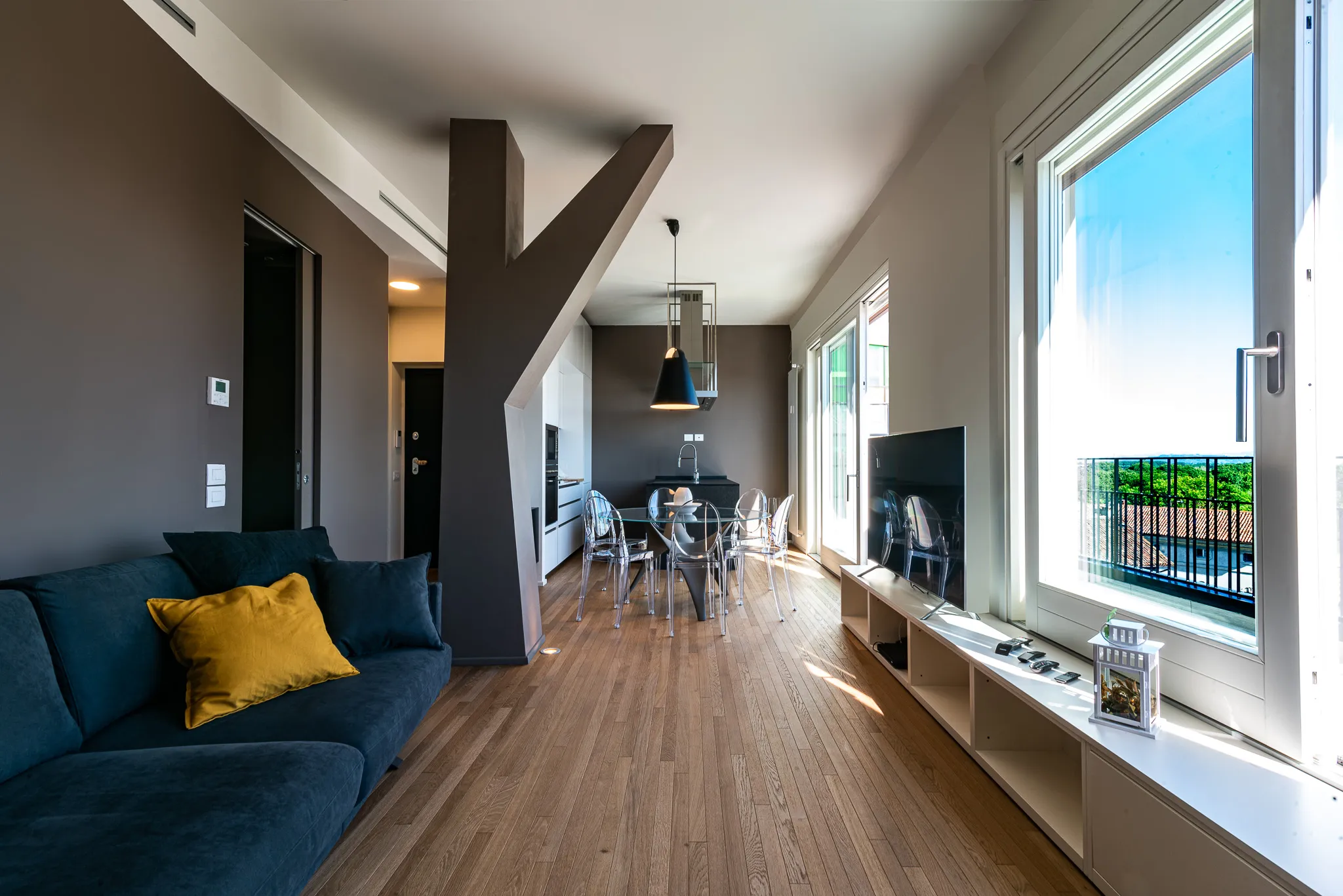
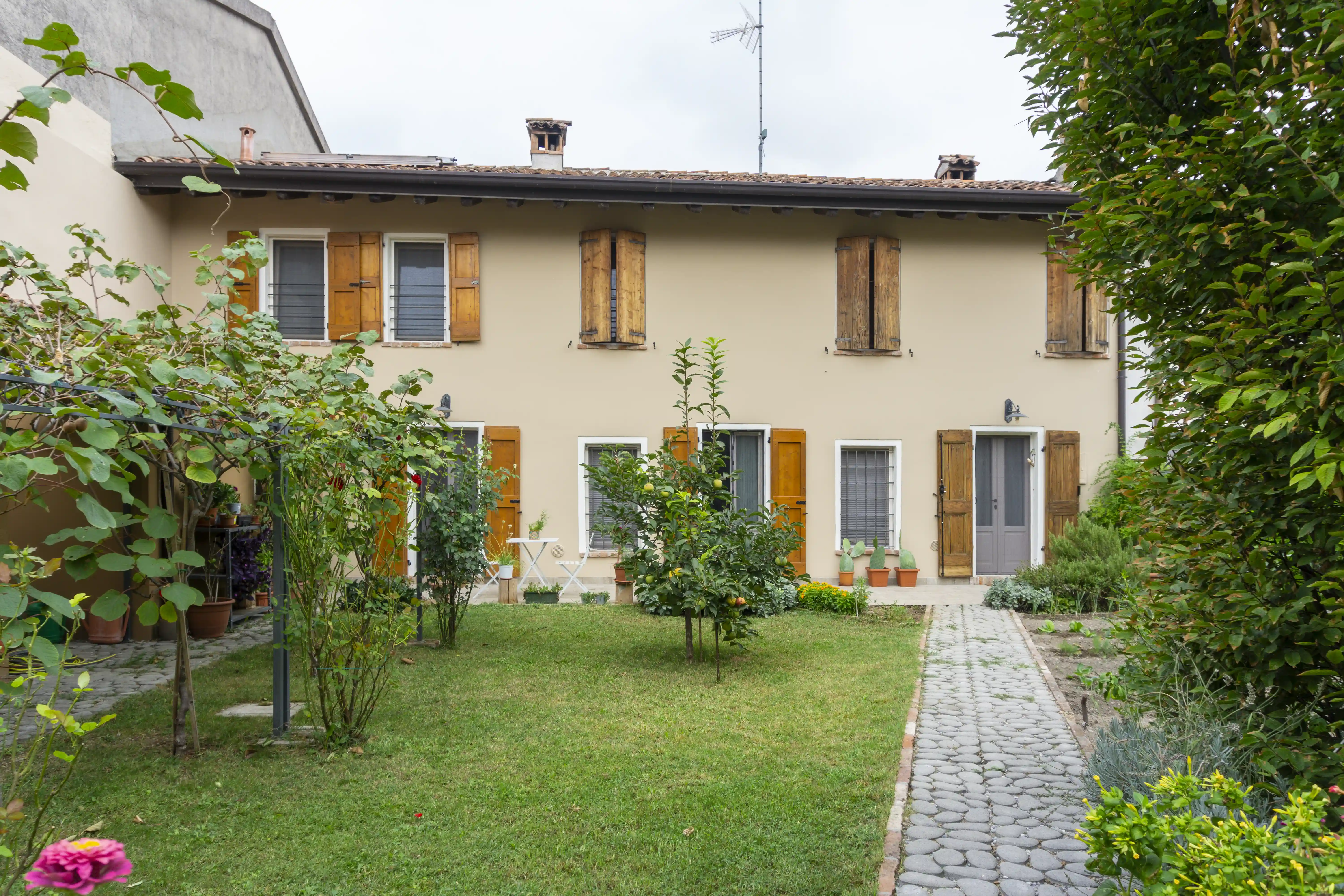
On the hill of Castenedolo, a semi-detached villa from the 70s is the protagonist of a global redevelopment intervention that transforms it into a unified and efficient architectural organism.
Project category
Energy qualification
Work start date
February 6, 2026
Work completion date
February 15, 2026
The redevelopment intervention on this residence was able to harmonize a building stratification fifty years long. But how did we pass from a heterogeneous property to a Class A2 home?
The project was born from the need to "put in order" the various volumes of the existing buildings, modified several times throughout their history.
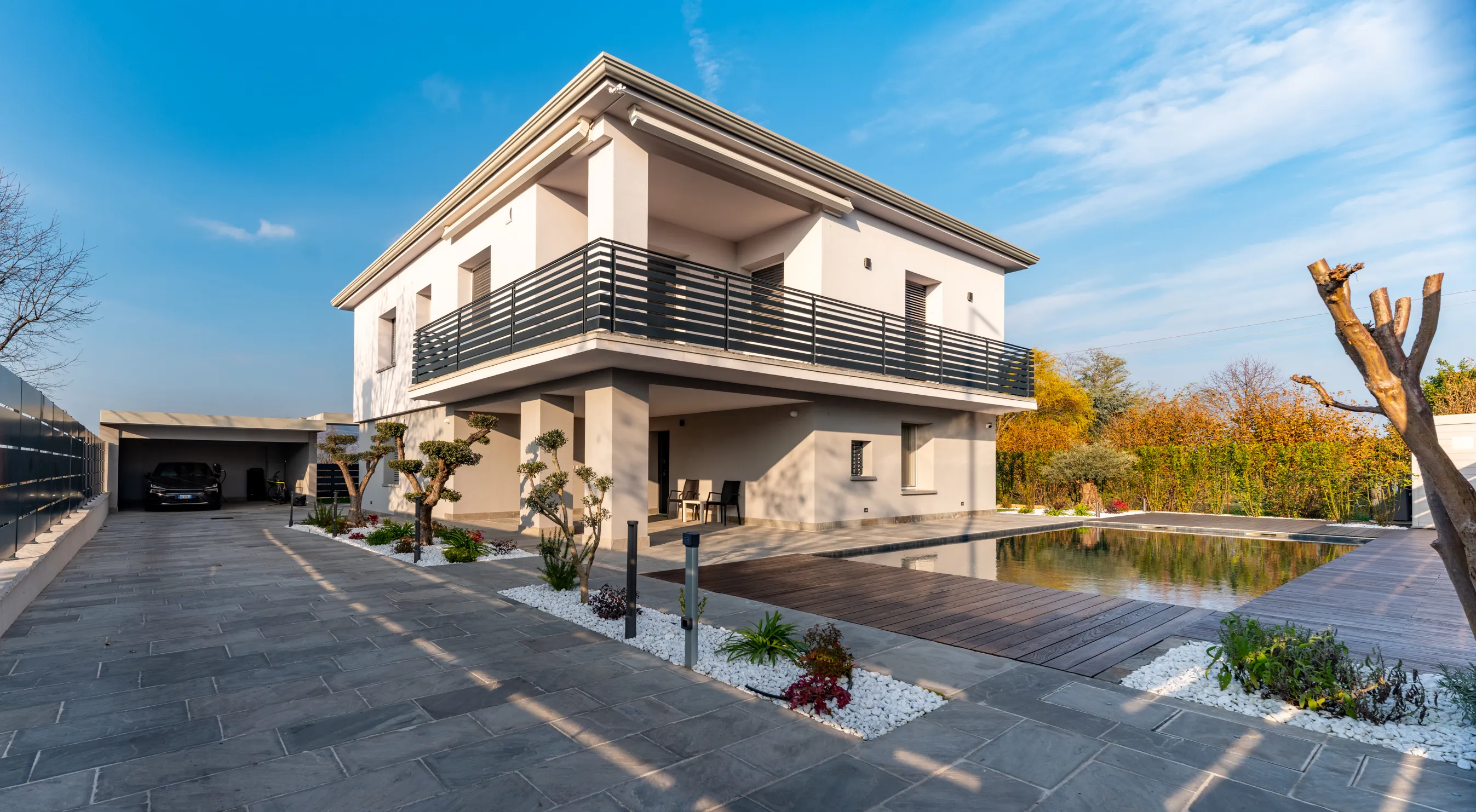
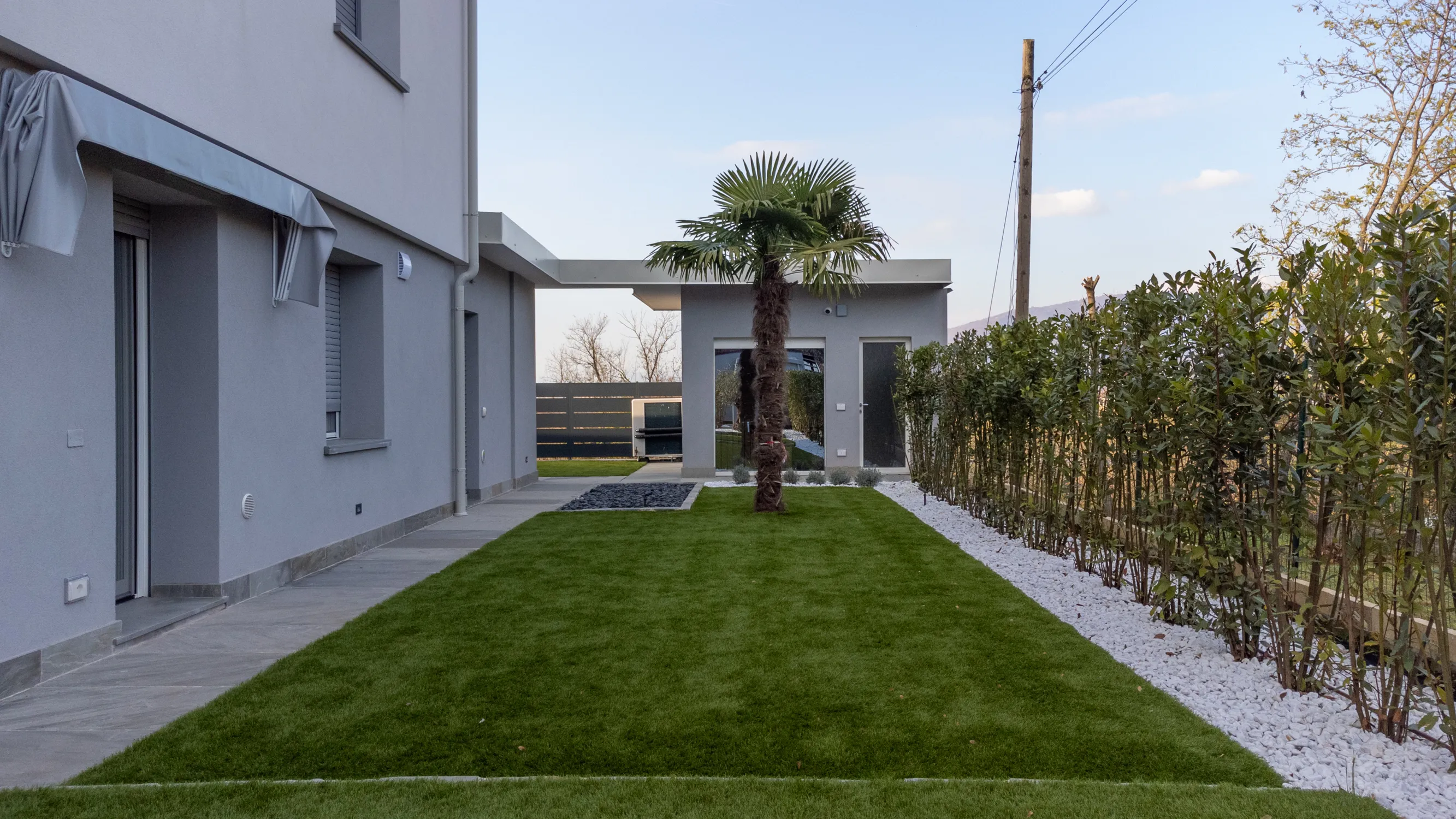
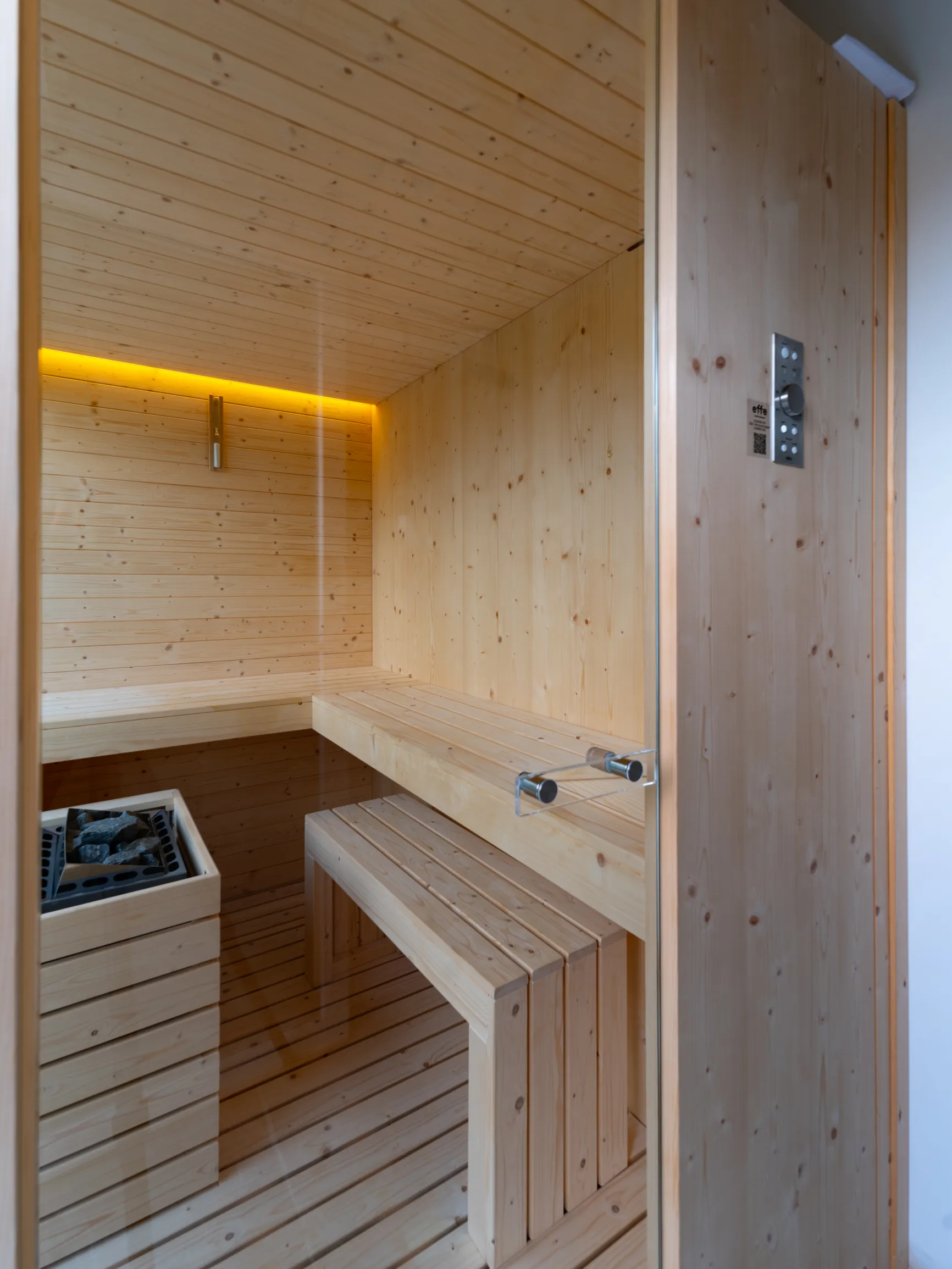
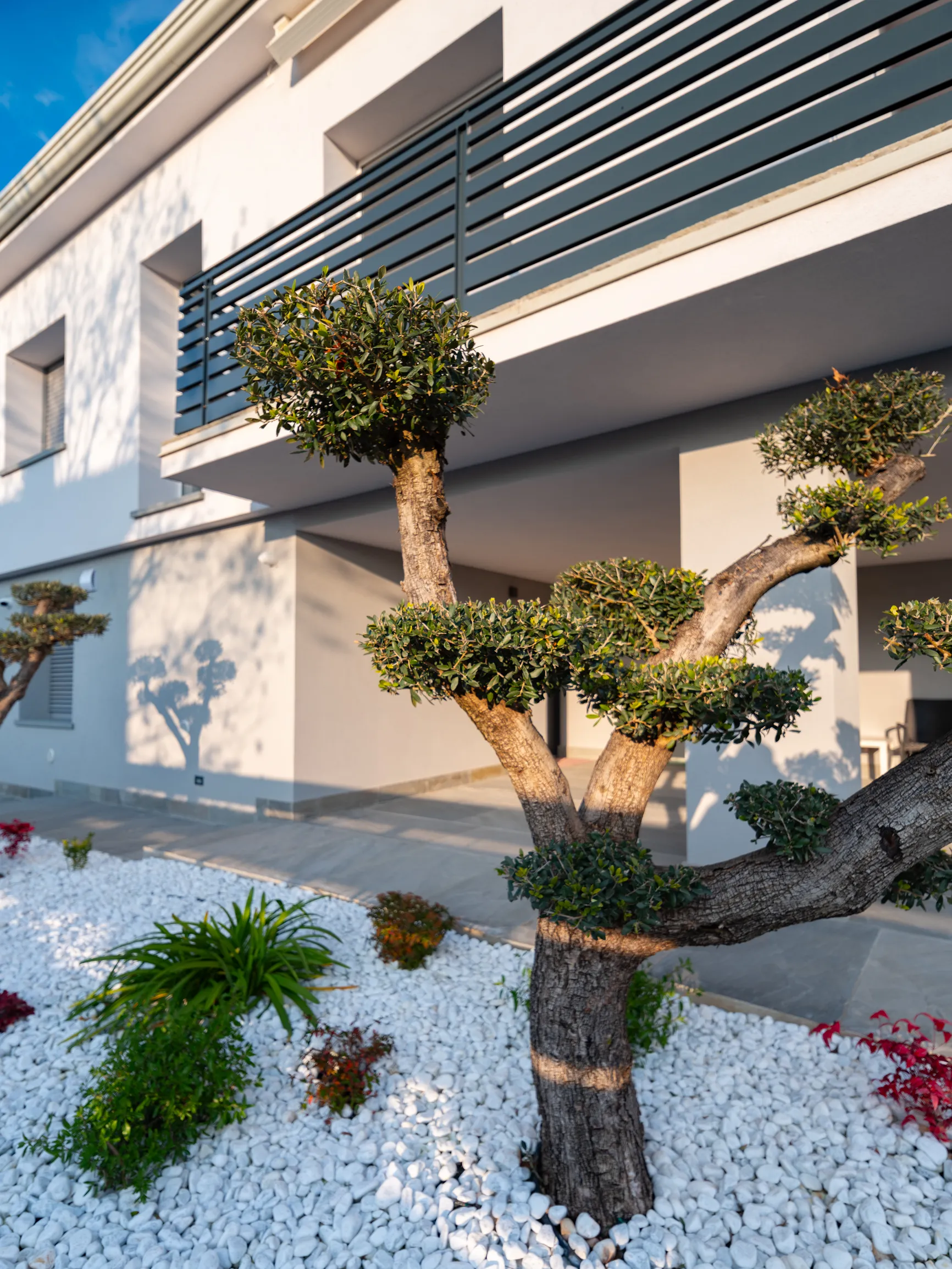
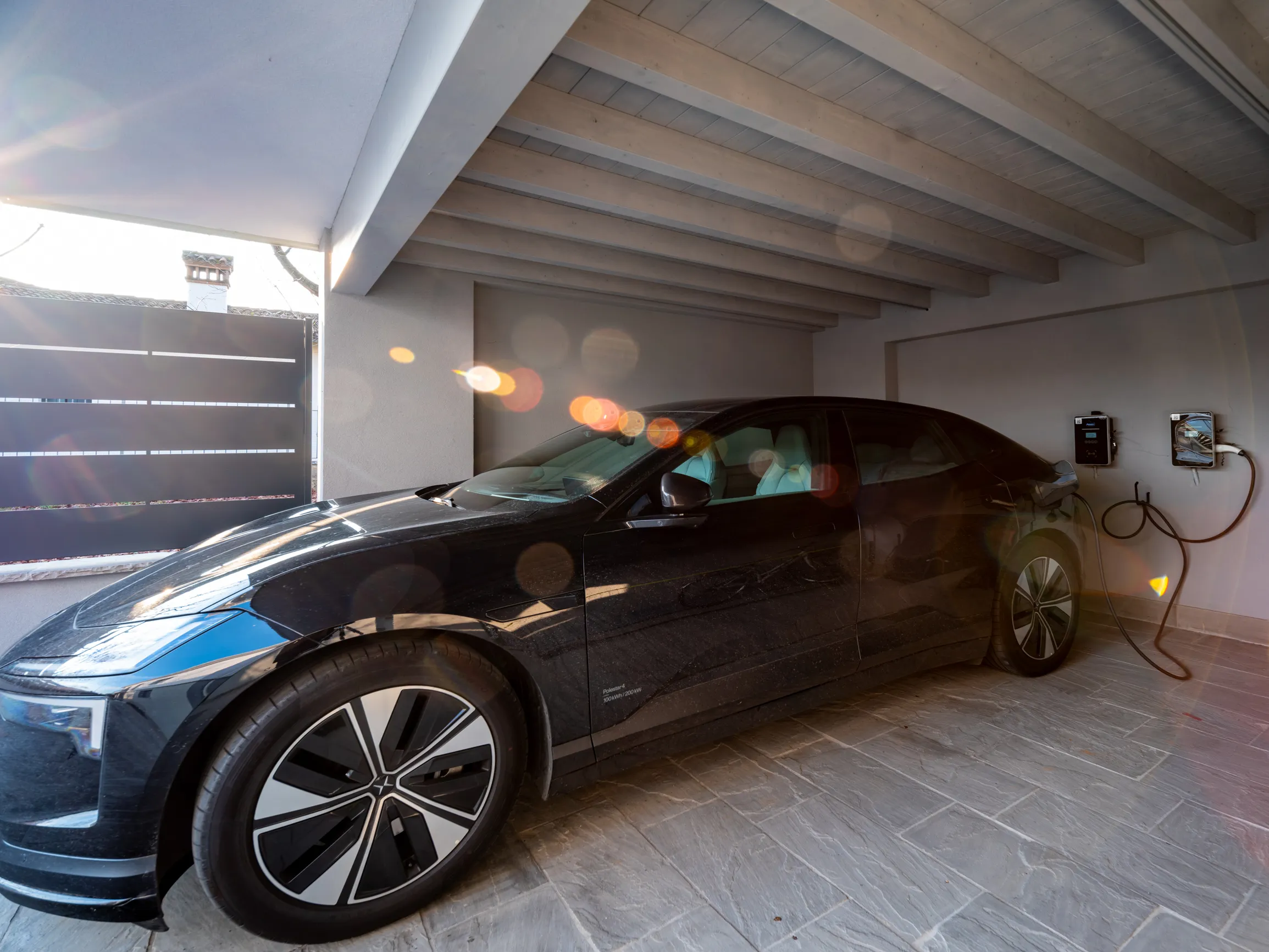
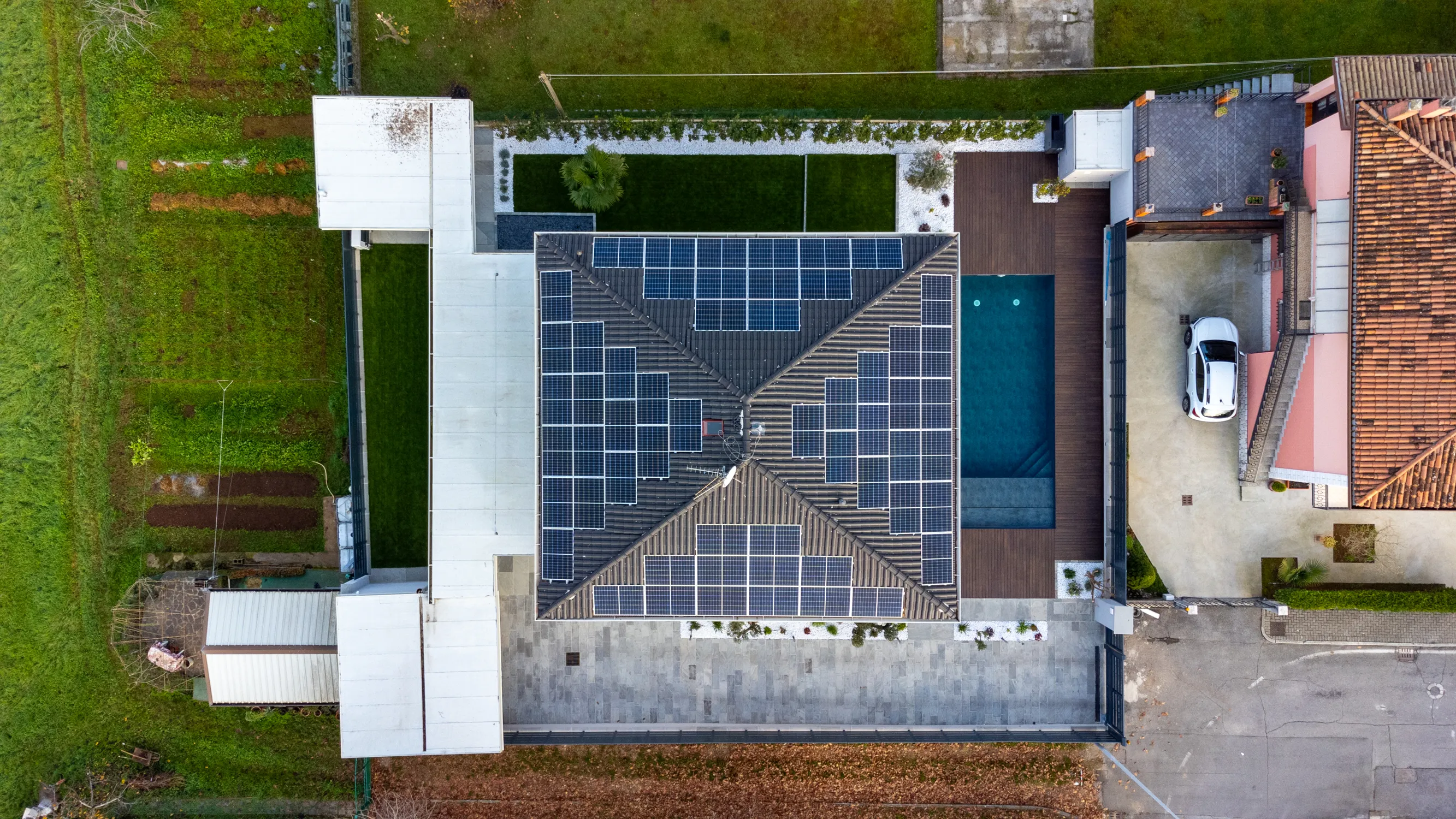
The heart of the intervention was the total revision of the floors: we replaced the various existing roofs with a system of multi-level flat roofs. This choice allowed for unifying the architectural language. Outdoor spaces were reorganized through the creation of sidewalks and flower beds. The modifications also involved accessory volumes in a single design thought. The annex was completely renovated with the expansion of the glass surfaces to favor dialogue with the outside, while the old garage was rebuilt according to anti-seismic criteria to accommodate modern electric mobility needs. In the southern area of the garden, the realization of an underground swimming pool with retractable shutter and a sauna with a view complete the evolution of the villa into a residence dedicated to well-being and functionality.
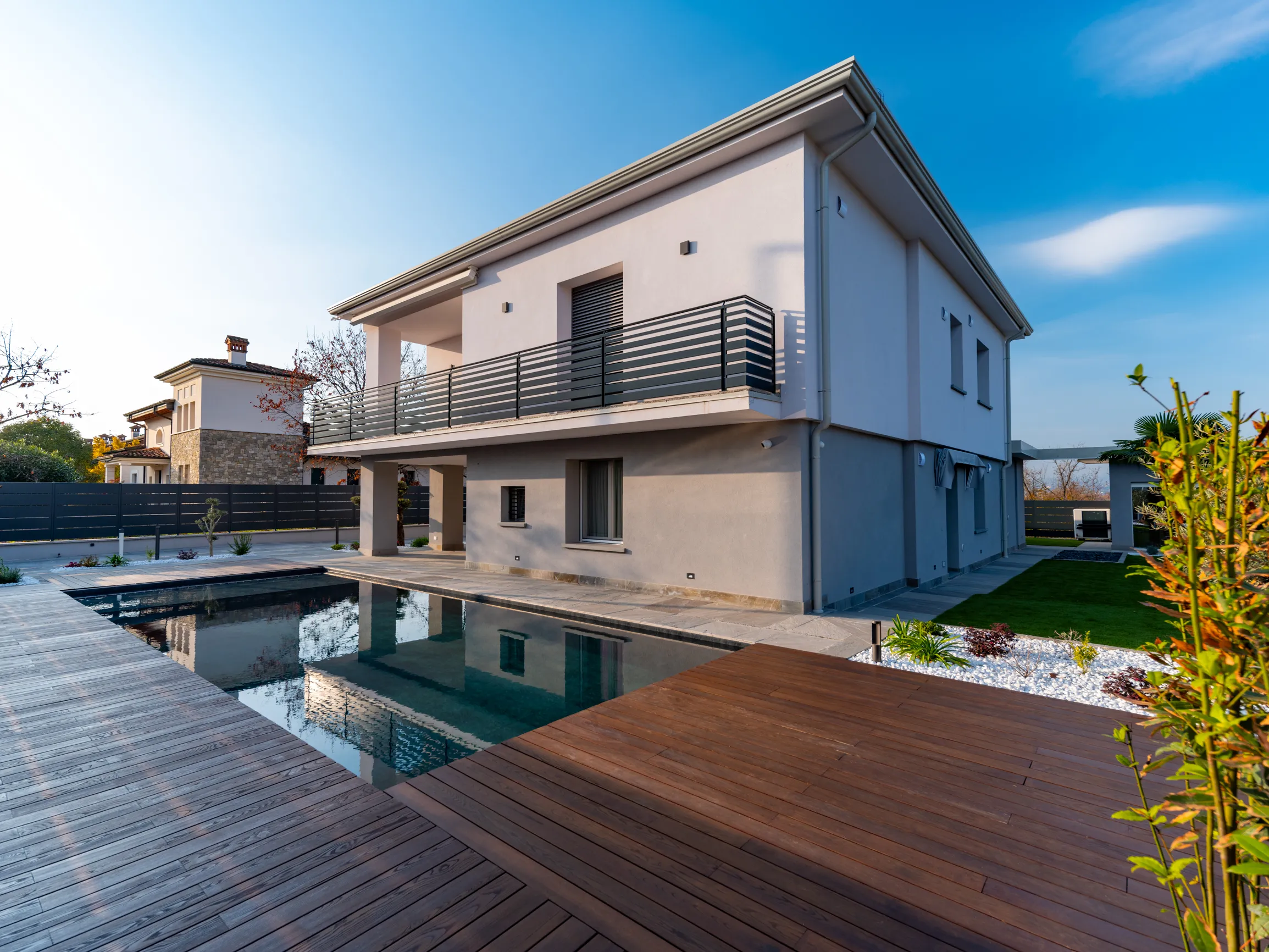
The decorative stringcourse and the two-band coloring of the facade allow for reducing the building's visual impact, harmonizing its volumes.
The transition from energy class F to A2 is the result of a plant upgrade. The hybrid heating system combines the efficiency of the heat pump with the gas boiler, supported by an impressive 22 kW photovoltaic system equipped with storage batteries and a car charging station. In the annex, an underfloor radiant system was laid for maximum thermal comfort, while in the remaining apartments, point-controlled mechanical ventilation (VMC) ensures constant air renewal. A dedicated technical room was designated to host the house's technological heart, centralizing the energy and water management of the entire complex.
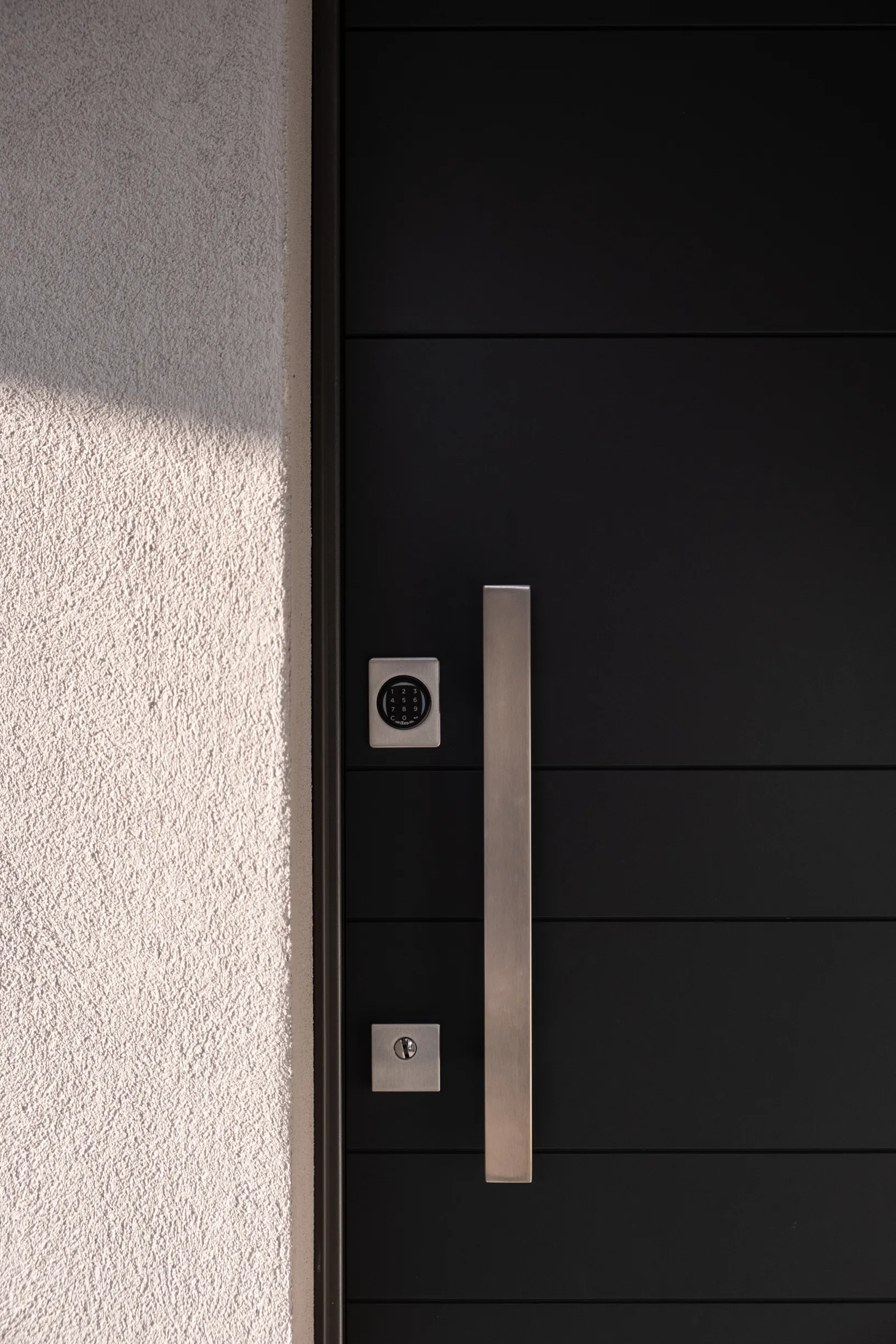
The protection of the house was treated with the same attention reserved for the envelopes. Regarding heavy rains, a 10,000-liter water collection tank placed underground acts as a draining lung and can also be used for garden irrigation. At the security level, a video surveillance system and security doors were installed, whose opening can be managed via code and app on the phone.
From the centralized photovoltaic system to the pool, every technical solution has been integrated to guarantee sustainability and adapt to the lives of the people who inhabit the house.